The Complete Guide to Bungee Jumping
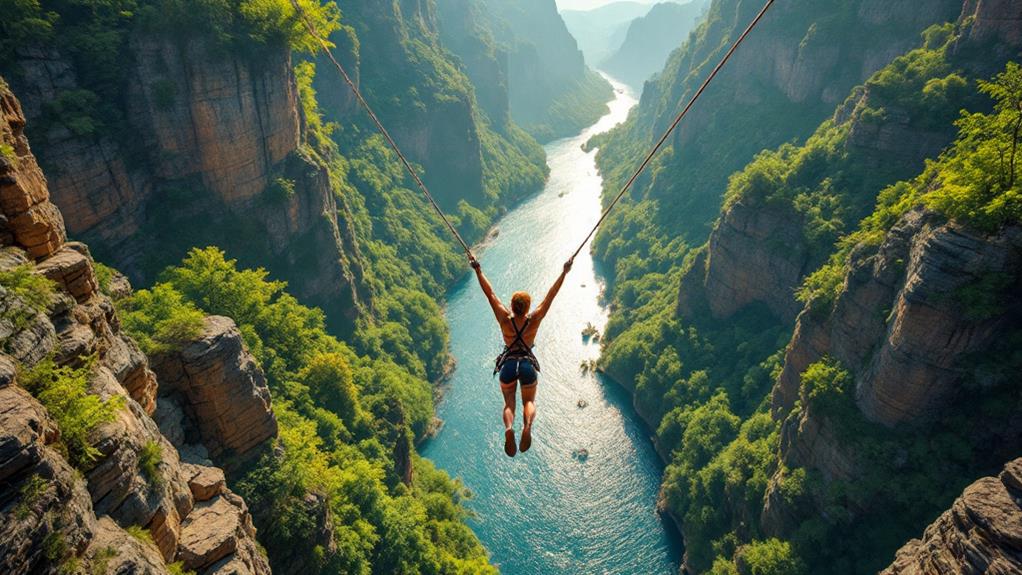
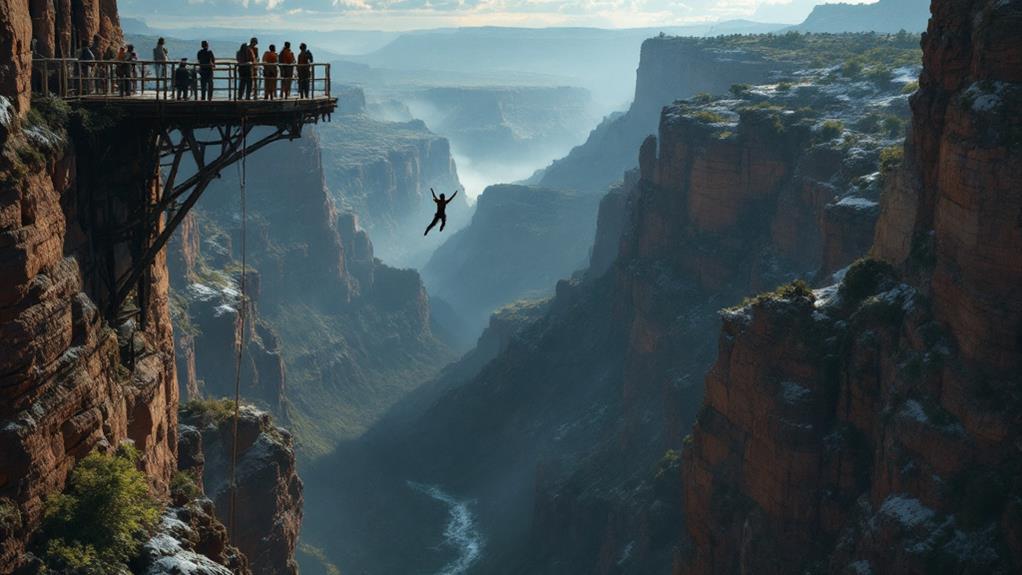
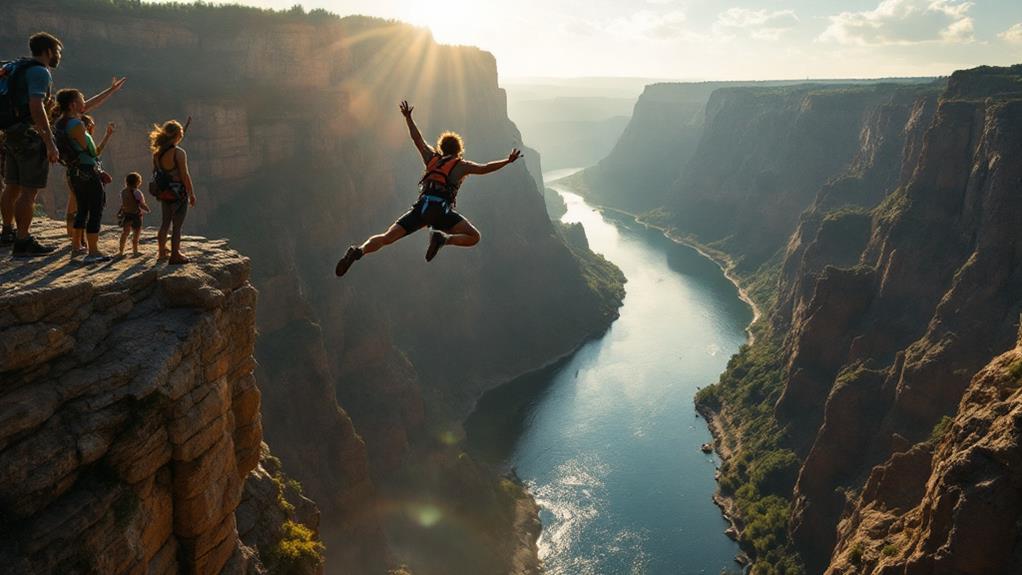
Bungee jumping offers you an unparalleled adrenaline rush, combining the thrill of freefall with the security of a carefully engineered elastic cord. You'll need proper equipment, including a harness and inspected bungee cord, and must adhere to safety measures set by experienced operators. Popular locations worldwide include New Zealand's Kawarau Bridge and China's Macau Tower. Before your first jump, research site requirements, obtain medical clearance, and prepare mentally. Health restrictions apply, so consult with operators about weight limits and medical conditions. Various jumping techniques exist, from swan dives to backward falls. If you're ready to take the plunge, there's a whole world of extreme aerial sports waiting to be explored.
History of Bungee Jumping
Daredevils have been leaping into the unknown for centuries, but modern bungee jumping traces its roots to the land divers of Vanuatu. On this South Pacific island, young men have long practiced a ritual where they jump from tall wooden towers with vines tied to their ankles. This tradition, known as Gol or Naghol, served as a rite of passage and a way to ensure a bountiful yam harvest.
In 1979, members of the Oxford University Dangerous Sports Club drew inspiration from this practice. They made headlines by jumping from Bristol's Clifton Suspension Bridge, using elastic cords instead of vines. This event marked the birth of contemporary bungee jumping. Australia known for fans of the sport, where the extreme sport of "crocodile bungee jumping" has gained popularity.
The sport gained popularity in the 1980s and '90s. New Zealand entrepreneur A.J. Hackett popularized commercial bungee jumping, opening the world's first permanent commercial site in 1988. He famously bungee jumped from the Eiffel Tower in 1987, attracting global attention.
Since then, bungee jumping has evolved into a thrilling adventure sport enjoyed worldwide. You'll find jump sites at bridges, cranes, towers, and even hot air balloons, offering varying heights and experiences for adrenaline seekers.
Essential Equipment and Safety Measures
When it comes to bungee jumping, safety is paramount. You'll need to ensure you're equipped with the right gear and understand the safety protocols before taking the leap. The most crucial piece of equipment is the bungee cord, which must be inspected and maintained regularly. You'll also need a harness that's securely fastened around your body, ankles, or both, depending on the jump style.
Safety measures include thorough equipment checks, proper training, and adherence to weight limits. You should always jump under the supervision of experienced professionals who can guide you through the process and ensure all safety protocols are followed.
Here's what you can expect during a typical bungee jump:
- You'll be weighed and fitted with appropriate equipment
- A safety briefing will cover proper jumping technique and what to expect
- You'll be secured to the bungee cord and guided to the jumping platform
Popular Bungee Jumping Locations Worldwide
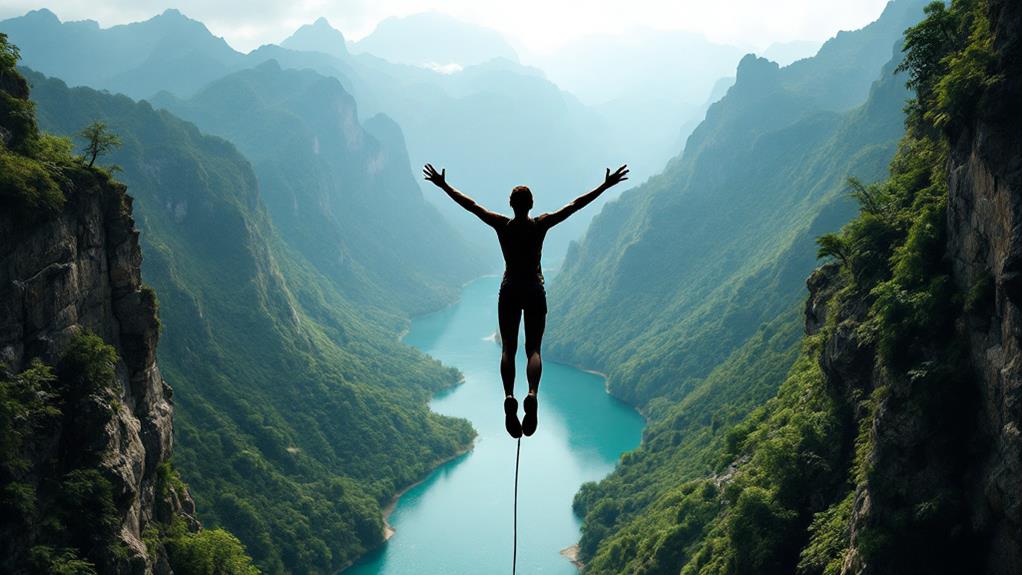
Dozens of breathtaking bungee jumping locations around the world offer thrill-seekers the ultimate adrenaline rush. You'll find some of the most iconic spots in New Zealand, where the sport originated. The Kawarau Bridge in Queenstown is a must-visit, offering a 43-meter plunge over a stunning river gorge.
For extreme heights, head to Macau Tower in China, boasting a 233-meter drop that'll test your courage. In Europe, the Contra Dam in Switzerland, featured in the James Bond film "GoldenEye," provides a thrilling 220-meter jump. If you're looking for a unique experience, try the Bloukrans Bridge in South Africa, the world's highest commercial bridge bungee at 216 meters.
In North America, you can't miss the Skycoaster at Royal Gorge Bridge in Colorado, combining a swing and freefall over a 1,000-foot canyon. For a tropical setting, visit Niouc Bridge in Switzerland, offering a 190-meter jump with panoramic views of the Swiss Alps. These locations provide unforgettable experiences, but always check local regulations and book with reputable operators to ensure your safety.
Preparing for Your First Jump
Now that you've chosen your ideal location, it's time to focus on preparing for your first bungee jump. Start by researching the specific requirements of your chosen site, including age restrictions, weight limits, and any medical conditions that might disqualify you. Many operators require a medical certificate, so schedule a check-up with your doctor well in advance.
Ensure the chosen sport is covered by the insurance plan and consult a doctor before starting the extreme sports journey. Next, focus on your physical and mental preparation. While bungee jumping doesn't require intense athletic ability, being in good overall health will help you enjoy the experience more. Practice deep breathing exercises to manage anxiety and visualize a successful jump. It's normal to feel nervous, but remember that bungee jumping is statistically very safe when done with reputable operators.
On the day of your jump, follow these key steps:
- Wear comfortable, weather-appropriate clothing and secure footwear
- Avoid eating a heavy meal, but stay hydrated
- Listen carefully to your instructor's safety briefing and ask questions if anything is unclear
Health Considerations and Restrictions
Bungee jumping's thrilling nature comes with certain health considerations and restrictions that you must take seriously. If you have heart conditions, high blood pressure, back problems, or recent surgeries, you shouldn't attempt a jump. Pregnant women and individuals with epilepsy or balance disorders should also avoid this activity.
You'll need to be within the weight limits set by the operator, usually between 90 and 300 pounds. Being overweight or underweight can affect the safety and performance of the bungee cord. Vision problems can be an issue, so if you wear glasses, consider using contact lenses or securing your eyewear.
Before jumping, you'll typically need to sign a waiver and may be required to provide a doctor's note clearing you for the activity. Be honest about your medical history and any medications you're taking. Alcohol and drug use are strictly prohibited before jumping.
If you're prone to motion sickness or fear of heights, inform the staff. They can provide tips to help manage these issues. Remember, it's always better to err on the side of caution when it comes to your health and safety in extreme sports.
Techniques and Styles
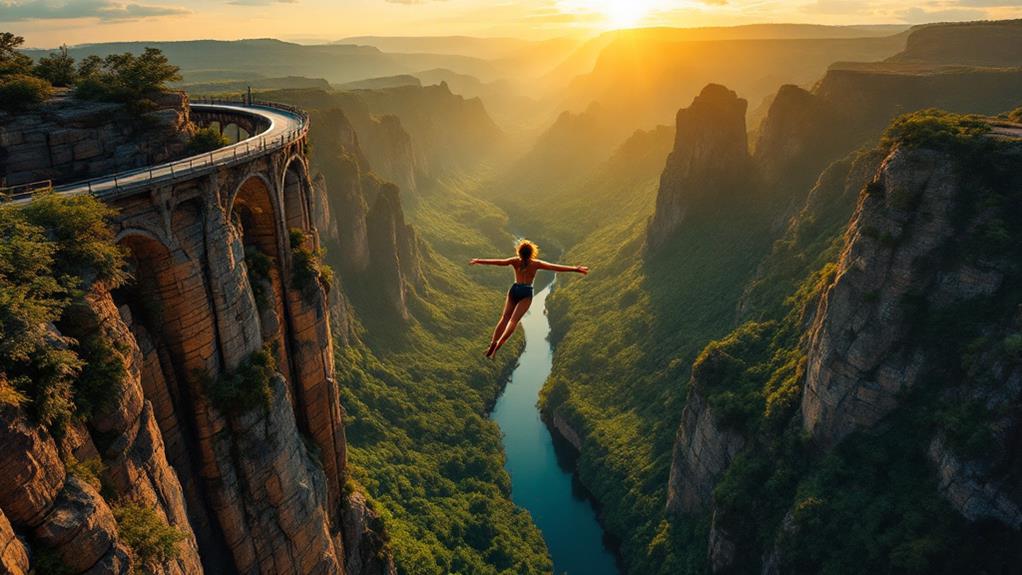
While many people think bungee jumping is simply falling with a cord attached, there are actually several techniques and styles you can try. The most common is the swan dive, where you leap forward with your arms outstretched. For a more daring approach, you might opt for the backward fall, facing the platform as you descend. If you're feeling adventurous, you could attempt a flip or somersault mid-air.
Each style offers a unique experience and sensation during your jump. Here are three popular techniques to consider:
- The Chute: You'll crouch low on the platform and spring upward, maximizing your initial upward momentum.
- The Running Start: You'll take a few quick steps before leaping off the edge, adding extra forward motion to your jump.
- The Tandem Jump: You'll jump with a partner, linked together for a shared adrenaline rush.
As you become more experienced, you can experiment with different hand positions, body twists, and even incorporate props like balls or streamers. Remember, safety always comes first, so make sure you're comfortable with basic techniques before attempting more advanced styles. Your jump operator will guide you through the proper form for your chosen technique.
Beyond the Jump: Related Activities
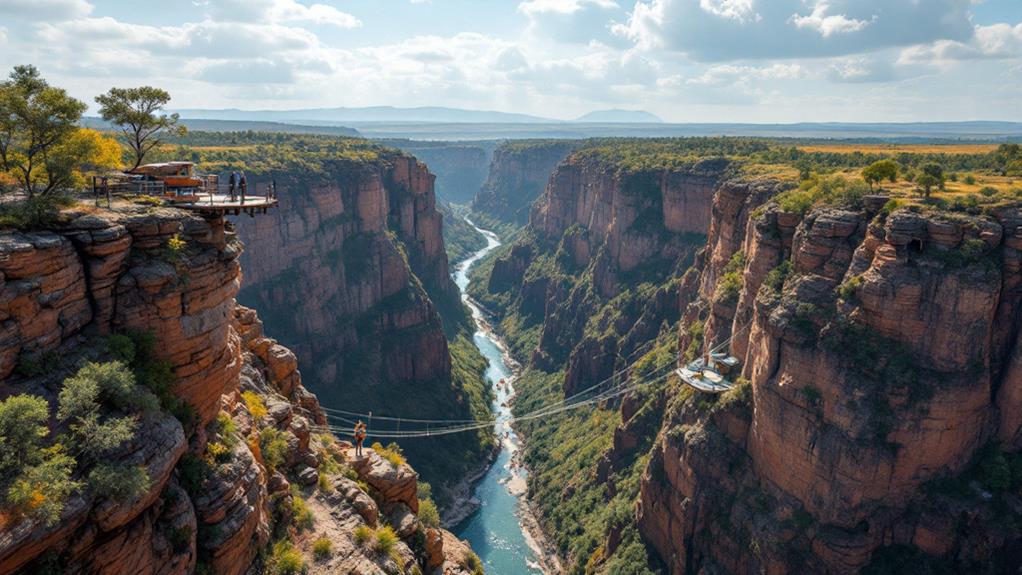
Thrill-seekers who've experienced the rush of bungee jumping often find themselves craving more adrenaline-pumping activities. If you're looking to expand your extreme sports repertoire, there are several options that'll satisfy your need for excitement.
Skydiving is a natural progression from bungee jumping, offering a longer freefall and the chance to soar through the air. For water enthusiasts, cliff diving provides a similar rush without the cord. If you prefer to stay closer to the ground, try base jumping or wingsuit flying for an intense experience.
Here's a quick comparison of related activities:
| Activity | Height | Duration | Equipment Needed |
|---|---|---|---|
| Skydiving | 10,000-15,000ft | 60 sec | Parachute |
| Cliff Diving | 20-90ft | 2-3 sec | None |
| Base Jumping | 300-1,500ft | 5-15 sec | Parachute |
| Wingsuit Flying | 5,000-13,000ft | 60-90 sec | Wingsuit |
| Paragliding | 1,000-4,000ft | 10-30 min | Paraglider |
Each of these activities offers a unique thrill and requires specific training. Always prioritize safety and proper instruction before attempting any extreme sport. Remember, the key is to challenge yourself while respecting your limits and the inherent risks involved.