
How the Home Garage Became a Workshop, Hobby Space, and Pop Culture Symbol

Most people think of the garage as a place to park a car, store holiday decorations, or stack boxes that no longer fit inside the house. Yet for decades, garages have served a far larger purpose. They have functioned as workshops, laboratories, rehearsal spaces, repair shops, art studios, and startup headquarters.
Some of the world's most influential companies began in garages, while countless hobbies, inventions, and creative projects have taken shape behind a simple roll-up door. The garage occupies a unique position in modern culture because it sits somewhere between the home and the outside world. It offers privacy without complete isolation and freedom without the expense of dedicated commercial space.
From Carriage House to Home Workshop: A Brief History
The garage traces its origins to the carriage house, a structure designed to shelter horses, carriages, and equipment before the arrival of automobiles. These buildings often sat near the main home and served practical purposes related to transportation and maintenance. As automobiles became more common during the early twentieth century, homeowners adapted these spaces to accommodate cars instead of horse-drawn vehicles.
The postwar housing boom accelerated the garage's transformation. Suburban developments throughout the 1950s and 1960s standardized attached and detached garages as part of the American home. Initially intended for vehicle storage, these spaces quickly evolved as homeowners discovered additional uses for them. Workbenches, shelving systems, and tool storage gradually replaced some of the parking area.
By the 1970s, many garages had become multifunctional spaces. A single garage might store a family vehicle while also housing woodworking tools, repair equipment, sports gear, and ongoing projects. What began as a simple shelter for transportation had evolved into one of the most flexible rooms in the home.

How the DIY Boom Transformed Garages Into Creative Spaces
The rise of do-it-yourself culture dramatically changed how people viewed garages. Affordable power tools, home improvement stores, instructional books, and hobby magazines gave ordinary homeowners access to skills that had once required professional training. Suddenly, people could build furniture, repair appliances, and tackle home projects themselves.
Garages became the natural headquarters for this movement. Unlike kitchens or living rooms, they could tolerate noise, dust, paint, and experimentation. Homeowners installed workbenches, organized tool collections, and dedicated corners to specific hobbies. The garage became a place where ideas moved from concept to reality.
The DIY boom didn't just change how people approached home improvement—it also helped establish the American garage as a pop culture symbol associated with creativity, self-reliance, and hands-on problem-solving. People learned to troubleshoot problems, modify equipment, and create custom solutions rather than purchasing replacements. This hands-on approach continues influencing garage culture today, where making, repairing, and improving remain central activities.
How Car Culture Turned Garages Into Personal Workshops
Automobiles played a major role in shaping the modern garage. For many enthusiasts, the garage became far more than a parking space—it became a personal workshop dedicated to maintenance, restoration, and customization. Weekend mechanics spent countless hours changing oil, rebuilding engines, replacing parts, and learning new skills.
The rise of hot rod culture and custom car communities further strengthened this connection. Enthusiasts transformed ordinary vehicles into unique creations through modifications, paintwork, and performance upgrades. The garage provided a private space where experimentation could happen without the constraints of a commercial repair shop.
Even today, automotive hobbies remain closely tied to garage culture. From restoring classic cars to upgrading modern vehicles, countless enthusiasts continue using garages as places to develop mechanical skills and bring ambitious projects to life.
The Physical Traits That Make Garages Perfect for Experimentation
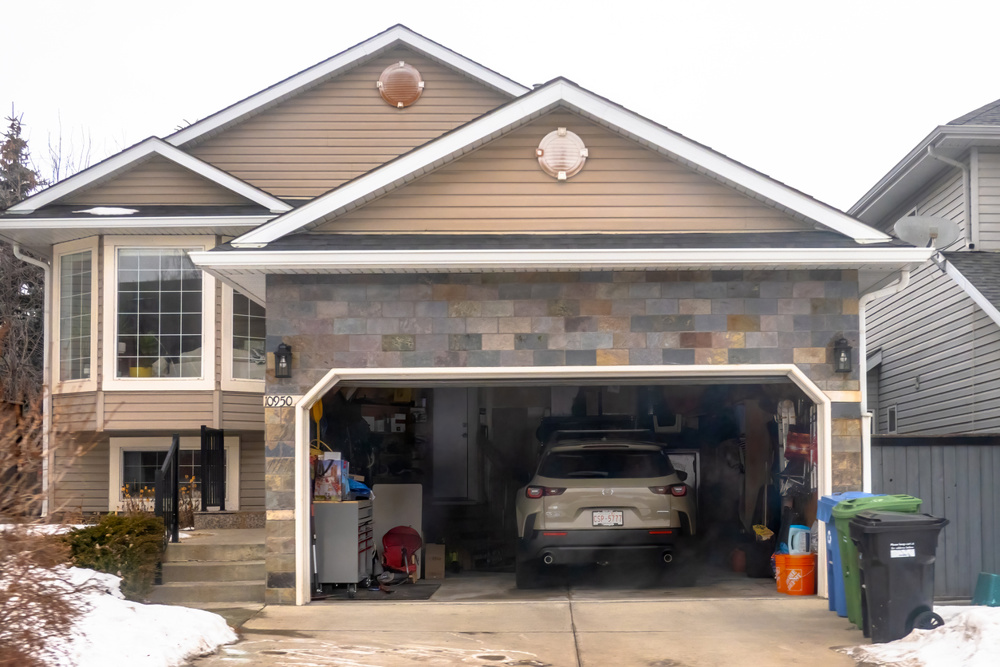
Part of what makes a garage so effective for experimentation is its physical separation from the rest of your home. That detachment gives you freedom to make noise, create mess, and fail without disrupting anyone else. You don't need sound insulation to justify running power tools at odd hours when the workspace sits apart from your living area.
The concrete flooring handles spills, dropped equipment, and heavy machinery without complaint. You're not babying hardwood or worrying about ruining carpet. That durability removes hesitation and encourages bold action.
The garage also tolerates chaos in a way your kitchen or living room never could. It's a space where disorder serves a purpose, where half-finished projects can sit overnight, and where the process matters more than appearances.
Why Hobbyists Still Gravitate Toward Garage Spaces
Garages remain attractive to hobbyists because they offer something increasingly difficult to find: dedicated space. Whether someone enjoys woodworking, welding, electronics, robotics, model building, or 3D printing, having a place to leave tools and projects set up permanently can make a significant difference.
Many hobbies require equipment that doesn't fit comfortably inside traditional living areas. Power tools create noise. Paints create odors. Mechanical projects generate clutter. The garage accommodates these realities while allowing enthusiasts to focus on their work without constant setup and cleanup.
This flexibility explains why garages continue attracting makers and hobbyists across generations. Technologies change, but the need for a practical creative workspace remains remarkably consistent. Whether someone is restoring a classic car, building furniture, assembling electronics, or experimenting with new fabrication techniques, the garage provides a place where ideas can be tested, refined, and transformed into finished projects.
How Tool Collections Became Part of Garage Culture
For many DIY enthusiasts, the garage is defined as much by its tools as by the projects themselves. Over time, collecting and organizing tools became a hobby in its own right. Mechanics, woodworkers, welders, and home renovators often spend years building collections tailored to their specific interests and skills.
Tools also represent knowledge and capability. A well-stocked toolbox reflects experience gained through repairs, upgrades, and completed projects. Many garage owners take pride in maintaining equipment that allows them to solve problems independently rather than relying on outside services for every task.
This connection between tools and self-reliance remains central to garage culture. Whether someone is using a decades-old wrench inherited from a family member or investing in modern power equipment, the garage continues to serve as a place where practical skills are developed and passed on.
Famous Companies That Built Empires From a Garage
Some of the world's most recognizable companies didn't start in boardrooms or corporate campuses — they started in garages. These startup legends prove that entrepreneurial garages aren't just storage spaces — they're launchpads. Here's what that looks like in practice:
- Hewlett-Packard launched in a Los Altos garage, pioneering electronic instruments.
- Apple began in Cupertino, where Steve Jobs and Steve Wozniak built their first computers.
- Google started as a server-packed garage office for two Stanford students.
- Mattel manufactured its earliest toy products from a converted garage workspace.
Each of these companies started with limited resources but unlimited ambition. Your garage holds that same potential — a contained space where you can build, test, and iterate without the overhead of a formal operation.
How the Garage Startup Became a Cultural Myth
Over time, the garage evolved from a physical location into a cultural symbol. Popular media, business journalism, and entrepreneurial culture frequently celebrate garage-origin stories because they reinforce the idea that great achievements can begin anywhere.
The appeal of these stories lies in their simplicity. A garage represents accessibility. Unlike corporate headquarters or research facilities, it feels attainable. The popularity of garage-origin stories reflects a broader fascination with garages as places for transformation and hands-on creativity, where determination and experimentation matter more than resources.
This mythology continues influencing modern entrepreneurship. Even when startups begin in coworking spaces or online environments, people still invoke the garage as a symbol of innovation, independence, and possibility.
Why Garages Remain the Heart of Hands-On Learning
Long before online tutorials existed, garages served as informal classrooms where people learned by doing. Parents taught children how to change oil, repair bicycles, use hand tools, and complete household projects. These experiences helped build confidence while introducing valuable practical skills.
Even today, many people use garage projects as opportunities to learn new techniques. A woodworking project may teach measuring and precision. A vehicle restoration can introduce mechanical systems and troubleshooting. Electronics projects often encourage experimentation and problem-solving.
The garage remains uniquely suited to this kind of education because mistakes are expected. Learning often happens through trial and error, and the garage provides a space where people can practice, improve, and gain experience without the pressure of a formal environment.
The Garage's Role in Shaping Music, Punk, and Artistic Identity
Beyond building tech empires, garages have shaped entire cultural movements — especially in music. When you think about bands like Nirvana and No Doubt, you're tracing their roots back to cramped, unpolished garage spaces where no audience existed yet. Garage bands didn't need professional studios — they needed four walls, amplifiers, and the freedom to fail loudly.
That freedom became the foundation of the punk ethos. Punk rejected polish and perfection, celebrating raw sound and authentic expression over commercial appeal. The garage made that possible by removing social pressure and judgment.
That rebellious spirit extended into visual art. Projects like Chemnitz's #3000Garages transformed ordinary garages into art installations, proving that creativity doesn't need a gallery — it just needs space and the courage to start.
How Modern Maker Culture Revived the Garage Workshop
The rise of maker culture has brought renewed attention to the garage as a creative workspace. While earlier generations focused on woodworking and automotive repair, today's makers often combine traditional craftsmanship with modern technology. Garages now house 3D printers, laser cutters, robotics kits, CNC machines, and electronics workstations alongside classic tool benches.
This blend of old and new reflects the garage's remarkable adaptability. A single space might support furniture building, drone construction, automotive restoration, and software-controlled fabrication projects. The common thread is a desire to create something tangible rather than simply consume finished products.
As maker communities continue growing, the garage remains one of the most accessible places to experiment, prototype, and innovate. Its role may evolve with technology, but its function as a center for hands-on creativity remains largely unchanged.
Why the Garage Remains a Powerful Symbol of What's Possible
The garage endures as a mythological symbol because it strips away every excuse standing between you and your idea. It's a symbolic threshold where raw ambition meets tangible action, transforming ordinary people into inventors, artists, and entrepreneurs.
As an imaginative incubator, the garage offers four distinct advantages:
- Low stakes — failure here costs you nothing socially or professionally
- Creative autonomy — you control the space, tools, and timeline
- Identity formation — you become who you're by doing, not watching
- Liminal freedom — it exists between domestic life and the industrial world
You don't need permission, funding, or credentials inside a garage. You just need the willingness to start. That's exactly why its symbolic power never fades.
Conclusion
The modern garage has traveled a remarkable path from carriage house to cultural icon. Along the way, it became a workshop for DIY enthusiasts, a laboratory for inventors, a rehearsal space for musicians, and a creative refuge for artists and hobbyists.
More importantly, the garage represents a mindset. It symbolizes curiosity, experimentation, and the belief that meaningful work can begin with limited resources and a willingness to learn. Whether used for car repair, woodworking, electronics, startups, or creative projects, the garage continues proving that some of the most important ideas start in the most ordinary places.