Zero Gravity? Houston’s Space City Spirit Fuels Pop Culture and Speed
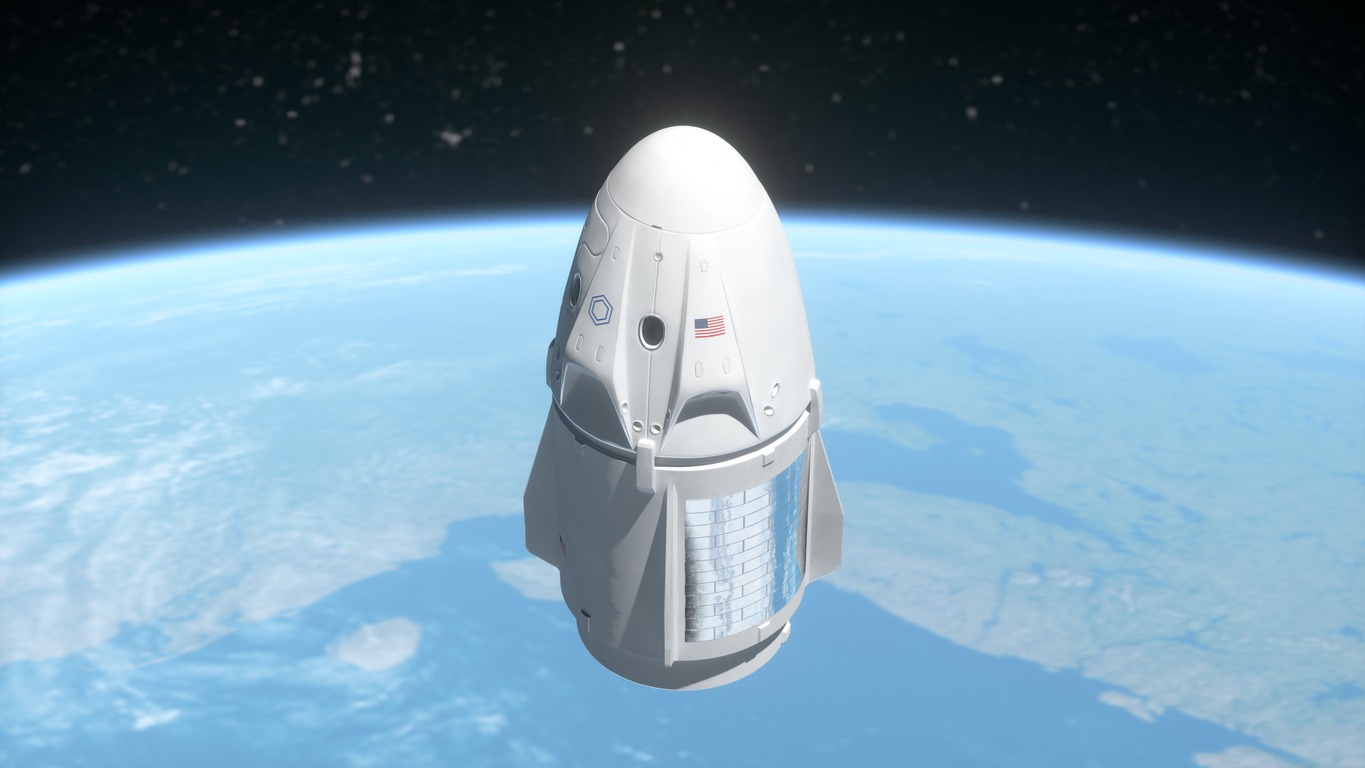
Houston's space legacy permeates every aspect of its culture—from the iconic “Houston, we have a problem” catchphrase to space-themed sports teams like the Astros and Rockets. You'll find cosmic influences in the city's distinctive architecture, musical tributes, and economic development. NASA’s presence transformed Houston into “Space City,” creating a technological ecosystem that continues to evolve. Discover how this aerospace identity propels Houston's unique spirit forward at rocket-fast speeds.
"Houston, We Have a Problem": The Birth of an Iconic Catchphrase
When Apollo 13 astronaut Jack Swigert reported, “Okay, Houston, we've had a problem here,” he couldn't have known his words would become one of the most misquoted phrases in American history. You've likely heard the popularized version: “Houston, we have a problem.” This subtle shift from past perfect to present tense took hold after the 1995 film Apollo 13, sacrificing technical accuracy for dramatic effect. The actual exchange began about 205,000 miles from Earth when Swigert alerted Mission Control to an oxygen tank explosion, followed by Commander Jim Lovell’s confirmation: “Houston, we've had a problem. We've had a main B bus undervolt.” Lovell and his crew faced dire circumstances, later describing their chances of survival as slim at best. Despite the misquote, the phrase has achieved iconic status, symbolizing both crisis and calm problem-solving. It forever links Houston to space exploration and exemplifies humanity's resilience when facing seemingly impossible odds.
Space City Rockets: How NASA Transformed Houston's Identity
View this post on Instagram
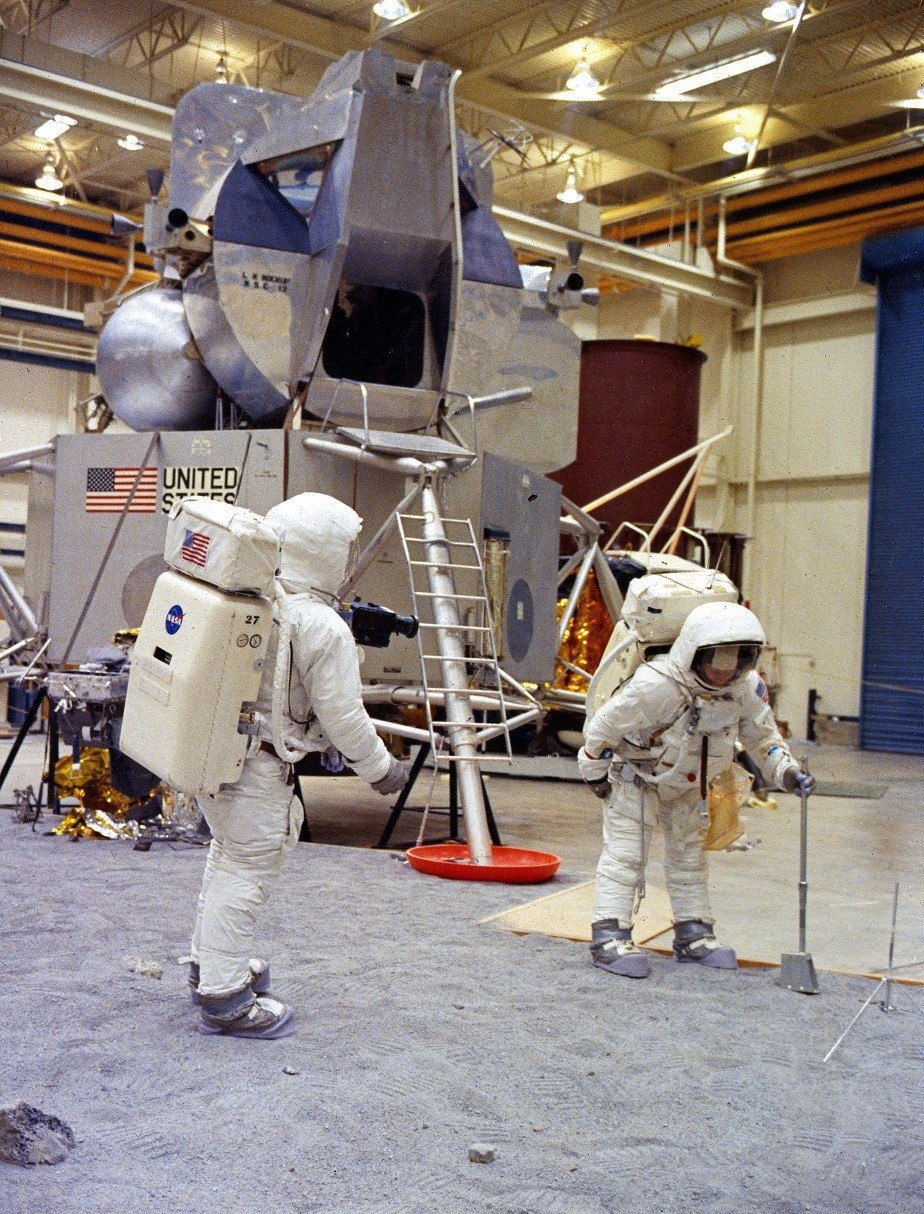
Long before Houston was nicknamed “Space City,” it was primarily known for its oil industry and humid Gulf Coast climate. But when NASA established the Manned Spacecraft Center in 1961—later renamed the Johnson Space Center (JSC)—the city's identity changed forever. The arrival of thousands of NASA professionals turned this regional hub into an international space exploration center. NASA’s yearly investments—tens of millions of dollars in salaries and hundreds of millions in facilities and contracts—attracted aerospace contractors and reshaped Houston's economy. While the permanent Johnson Space Center was under construction, NASA set up operations at multiple sites across Southeast Houston to establish its presence. This legacy continues today through commercial developments like Houston Spaceport at Ellington Airport, where companies leverage NASA's technological foundation. Space tourism trends show Houston capitalizing on its aerospace heritage, with visitors flocking to historic NASA sites that trace the city’s evolution. The synergy between NASA, local universities, and industry created the technological ecosystem that defines modern Space City.
From Mission Control to Music: Houston's Space Legacy in Songs
The cosmic influence of NASA’s presence in Houston extends far beyond spacecraft and mission control rooms—it permeates the soundtrack of popular culture. When David Bowie released “Space Oddity” in 1969, just as the Apollo era captured global attention, he helped cement a musical tradition that astronaut Chris Hadfield later honored with his own historic performance floating in orbit. You'll find Houston’s space identity echoed across genres—from Elton John’s “Rocket Man” becoming a generational anthem for space exploration to newer tracks like Janet Devlin’s “Houston,” which blends cosmic metaphors with modern storytelling. Notable collaborations like the Houston Symphony’s live orchestration of the Apollo 13 soundtrack demonstrate how deeply space exploration has shaped the city’s cultural expression. The Symphony’s innovative presentations of Holst’s The Planets using NASA imagery perfectly bridge classical artistry with space science. The iconic phrase “Houston, we have a problem” remains perhaps the ultimate crossover between Mission Control communications and global pop culture.
Lunar-Inspired Design: Space Age Architecture in the Bayou City
View this post on Instagram
Houston's skyline tells a visual story of its cosmic connections as powerfully as any song lyric. You'll notice space-age aesthetics throughout the city, from the iconic Astrodome—the world’s first domed multi-purpose stadium—to Philip Johnson’s dramatic Pennzoil Place with its sharp, trapezoidal towers that evoke futuristic silhouettes. The influence of the moon-landing era on building forms emerged during the mid-20th century, when Houston embraced Modernism’s clean lines and technological optimism. Williams Tower’s rotating beacon scans the horizon like a signal of exploration, while James Turrell’s Twilight Epiphany Skyspace at Rice University creates immersive experiences that merge architecture with celestial cycles. Cosmic symbolism appears in unexpected places, from the Bank of America Center’s striking vertical profile to Heritage Plaza’s blend of ancient motifs with forward-looking design—architectural manifestations of Houston's enduring relationship with the stars. Just as Space Center Houston attracts visitors with its spacecraft and exhibits, the city’s architecture continually reflects its status as a gateway to the cosmos.
Astros, Rockets, and Space Cowboys: Sports Teams Embracing the Cosmic Connection
Few cities blend cosmic exploration with athletic competition as seamlessly as Space City. You'll notice Houston's interstellar identity reflected across its sports landscape, with the Astros leading the charge through space-inspired branding. Their City Connect jerseys proudly display “Space City” alongside star-chart-style details that honor NASA’s legacy, while the design nods to the club’s classic rainbow era. The Rockets naturally embrace this cosmic connection—their very name and rocket-ship imagery celebrate Houston’s aerospace prowess. Even at the minor league level, the Sugar Land Space Cowboys fuse frontier heritage with space exploration through their distinctive cowboy-hat-and-helmet emblem. While teams like the Dynamo and Texans highlight other facets of regional culture, space-themed sponsorships and game-day activations remain prevalent throughout Houston’s sports scene, reinforcing the city’s proud identity as America’s gateway to the stars.
Cinematic Houston: The Space Center on the Silver Screen
From the small screen to full-dome experiences, Houston’s space story has become cinematic. At Space Center Houston’s Space Center Theater, you can experience 270-degree panoramic visuals that blend historical footage with astronaut interviews, placing you in the middle of mission history. The theater’s immersive setup—multiple digital projectors and a powerful sound system—transports viewers into space, creating an unforgettable journey through Apollo and Artemis-era missions. Special screenings and documentary features highlight Houston’s role in films like Apollo 13, while behind-the-scenes partnerships between NASA and filmmakers help ensure technical accuracy. Together, these experiences cement Houston’s reputation as both a filmmaking collaborator and a cultural hub connecting cinema with space exploration.
Astronomical Impact: NASA's Economic Boost to the Gulf Coast
While space exploration captures our imaginations with cosmic wonders, NASA’s presence along the Gulf Coast delivers remarkably earthbound benefits through substantial economic contributions. Nationwide, NASA’s roughly $25.4 billion annual budget generates more than $75.6 billion in economic output and supports hundreds of thousands of jobs, demonstrating the power of space investment to fuel local economies. Along the broader Gulf Coast, facilities like Stennis Space Center in Mississippi pump over $1 billion into surrounding counties, with the majority of each dollar spent within a short radius of the site. This spending drives diversification across scientific research, consulting, and transportation sectors. Workers at these centers—earning well above regional averages—support real estate development and local businesses from Houston to neighboring states. The multiplier effect is striking—just as Kennedy Space Center in Florida returns more than it receives through tax revenue and job creation, Houston’s Johnson Space Center anchors an extensive network of contractors, startups, and research institutions that benefit the entire Gulf Coast region.
Beyond the Stars: Houston's Space Influence on Fashion and Art
Houston’s prosperity from space exploration has sparked a vibrant cultural renaissance that reaches far beyond mission control rooms. You'll discover space-inspired designers turning rocket imagery and starfields into wearable art, and galleries curating exhibitions that reinterpret lunar landscapes in bold, contemporary styles. Local creators and collectives craft ceramics, prints, and home goods that echo NASA iconography and retro-futuristic aesthetics. The Menil Collection, Sawyer Yards, and other arts districts regularly host installations where artists experiment with cosmic motifs and deep-space color palettes. Even in retail corridors like River Oaks and The Galleria, luxury brands stage limited-edition drops and events that nod to Space City’s heritage—think metallic finishes, orbital themes, and collaborations timed to major launches or eclipses. Together, these efforts show how Houston’s space story has become a canvas for visual culture throughout the city.
The Next Frontier: How Space City Continues to Shape Modern Culture
As the aerospace sector evolves beyond government programs into commercial ventures, you'll find Space City’s influence expanding far beyond rocket launches and mission control. Houston’s multi-billion-dollar NASA presence now inspires everything from space-inspired gastronomy to cosmic-themed entertainment throughout Texas. When you visit Houston Spaceport at Ellington Airport, you're witnessing the commercialization of space that’s transforming cultural and economic life. The Texas Space Commission’s $150 million in state funding supports companies and research efforts across Texas, fueling both aerospace growth and a broader creative renaissance. Local chefs experiment with space-age plating and ingredients, while entertainment venues leverage nebula-like lighting and rocket-inspired design. Companies like Axiom Space, working on the first commercial space station, help shape public imagination through exhibits, collaborations, and education initiatives anchored in Houston. This cultural shift mirrors the region’s transformation, where new ventures at Johnson Space Center’s Exploration Park and the forthcoming Texas A&M Space Institute make space innovation more accessible than ever. In Space City, the next era of exploration isn’t just happening above our heads—it’s woven into the everyday culture on the ground.