What Is Bungee Jumping?
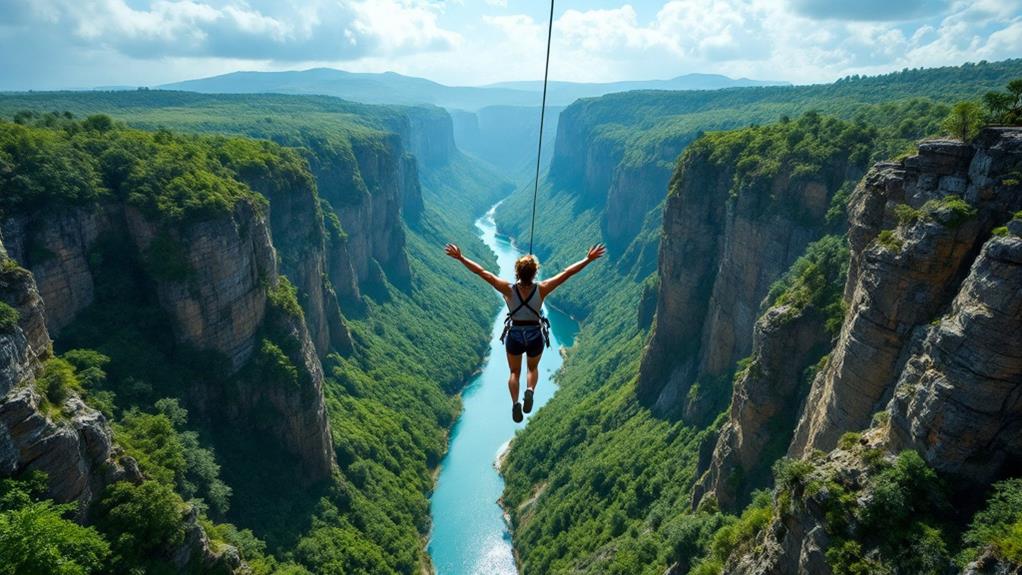
Bungee jumping is an extreme sport where you leap from a tall structure while attached to an elastic cord. You'll experience a thrilling free fall before the cord stretches and pulls you back up. It originated from ancient rituals but became a modern adventure sport in the late 20th century. Today, you can find bungee sites worldwide, each offering unique experiences. Safety gear includes specially designed cords, harnesses, and carabiners. While it's an adrenaline-pumping activity, bungee jumping requires careful consideration of physical requirements and mental preparation. There's much more to discover about this heart-pounding sport's history, variations, and iconic locations.
History of Bungee Jumping
For centuries, the origins of bungee jumping have been rooted in ancient rituals. You can trace its history back to the land diving tradition of Vanuatu, an island nation in the South Pacific. In this ritual, young men would leap from tall wooden towers with vines tied to their ankles as a test of courage and a rite of passage. Bungee jumping not for the faint of heart, as the activity involves jumping from a height with only a rope to break the fall. The modern form of bungee jumping you're familiar with today didn't emerge until the late 20th century. In 1979, members of the Oxford University Dangerous Sports Club performed the first modern bungee jumps from Bristol's Clifton Suspension Bridge. They used elastic cords instead of vines, sparking interest in this thrilling activity. Commercial bungee jumping took off in the 1980s. New Zealand became a hotspot for the sport when A.J. Hackett opened the world's first commercial bungee site in 1988. Since then, bungee jumping has spread globally, with sites popping up in various countries. Innovations in equipment and safety measures have made the sport more accessible and secure for thrill-seekers worldwide.
Equipment and Safety Gear
Typically, bungee jumping requires specialized equipment to ensure safety and thrills. The most crucial piece of gear is the bungee cord, a strong elastic rope made from latex or rubber strands encased in a woven sheath. This cord is designed to stretch and rebound, providing the exhilarating free fall and bounce-back experience. Participants experience rapid acceleration and intense sensations similar to rollercoaster drops or skydiving during the launch. You'll be fitted with a harness that securely attaches you to the bungee cord. These harnesses are similar to those used in rock climbing, distributing the force of the jump across your body to prevent injury. Ankle harnesses are sometimes used for certain types of jumps, but full-body harnesses are more common and generally considered safer.
Safety is paramount in bungee jumping, and operators use additional equipment to ensure your well-being:
- Carabiners and quick-release systems for secure connections
- Backup safety lines as a precautionary measure
- Height and weight calculation tools for proper cord selection
You'll also need to wear appropriate clothing and footwear. Avoid loose items that could fall off during the jump. Some operators provide helmets for added protection, especially when jumping near structures or in challenging environments.
Choosing a Bungee Site
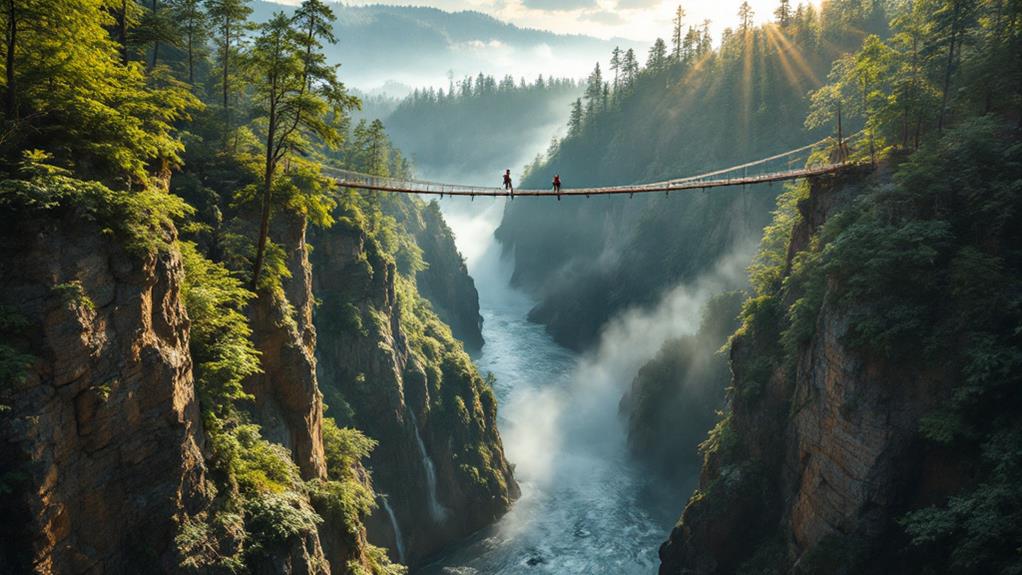
Safety and experience should be your top priorities when choosing a bungee jumping site. Look for locations that are certified by recognized authorities and have a proven track record of safe jumps. Research the site's history, read reviews from past jumpers, and check for any reported incidents or accidents.
Consider the height of the jump and the surrounding environment. Some sites offer jumps from bridges, while others use cranes or purpose-built towers. Each location has its unique characteristics, so choose one that matches your comfort level and desired experience.
Verify that the site uses modern equipment and follows strict maintenance protocols. Ask about their staff's qualifications and training. Experienced operators should be able to answer your questions and address any concerns.
Weather conditions can impact your jump, so choose a site with a climate you're comfortable with. Some locations offer year-round jumping, while others have seasonal restrictions.
Don't hesitate to contact multiple sites and compare their offerings. Ask about their safety procedures, insurance coverage, and what's included in the price. Remember, a reputable bungee site will prioritize your safety and provide a thrilling yet secure experience.
Physical Requirements
While choosing the right bungee site is important, you'll also need to meet certain physical requirements to participate. Most bungee operators have age restrictions, typically requiring jumpers to be at least 18 years old. You'll also need to be within a specific weight range, usually between 90 and 300 pounds, to ensure the equipment can safely support you.
Your overall health is crucial. You shouldn't bungee jump if you have:
- Heart conditions
- High blood pressure
- Back or neck problems
- Recent surgeries
Pregnancy is also a disqualifying factor. If you wear glasses, you'll need to secure them or wear contacts. It's essential to be honest about your health conditions when filling out the waiver forms.
Being physically fit isn't a strict requirement, but it can help. The sudden forces during the jump and rebound can be intense, so having good core strength and flexibility can make the experience more enjoyable and reduce the risk of strain.
Mental Preparation
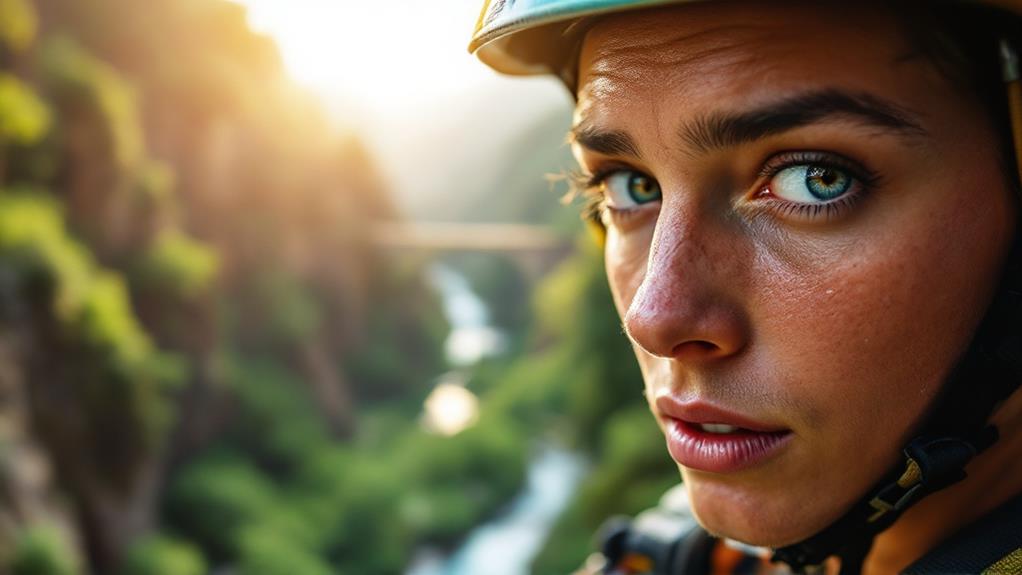
Beyond physical readiness, mental preparation is crucial for a successful bungee jumping experience. You'll need to cultivate a strong mindset to overcome fear and anxiety associated with the extreme nature of the activity. Start by educating yourself about the safety measures and equipment used in bungee jumping. This knowledge will help alleviate some of your concerns and boost your confidence.
Practice visualization techniques, imagining yourself successfully completing the jump. This mental rehearsal can reduce anxiety and improve your performance. Deep breathing exercises and meditation can also help calm your nerves before the jump. Don't hesitate to communicate your fears with the instructors; they're experienced in guiding first-time jumpers through the process.
Remember that it's normal to feel scared, but trust in the safety systems and your own abilities. Focus on the excitement and adrenaline rush rather than dwelling on potential risks. Set realistic expectations for yourself and avoid comparing your experience to others'. Lastly, consider bringing a supportive friend or family member to provide encouragement and share in the experience. With proper mental preparation, you'll be better equipped to enjoy the thrill of bungee jumping.
The Jump Experience
With your mind and body ready, it's time to face the heart-pounding moment of truth: the jump itself. As you step onto the platform, you'll feel the rush of adrenaline coursing through your veins. The instructor will secure you to the bungee cord, double-checking all attachments for safety. You'll edge closer to the precipice, your toes curling over the edge as you gaze down at the dizzying drop below.
When the instructor gives you the all-clear, you'll take a deep breath and leap into the void. For a split second, you'll experience weightlessness before gravity takes hold. As you plummet towards the ground, the wind will whip past your face, and your heart will race. Just when you think you can't fall any further, the bungee cord will stretch and slow your descent.
The jump experience typically includes:
- An initial free fall
- A series of bounces as the cord stretches and recoils
- A gradual deceleration until you come to a stop
As you dangle at the end of the cord, you'll feel an overwhelming sense of accomplishment and exhilaration. The jump may only last seconds, but the memory will stay with you for a lifetime.
Health Considerations
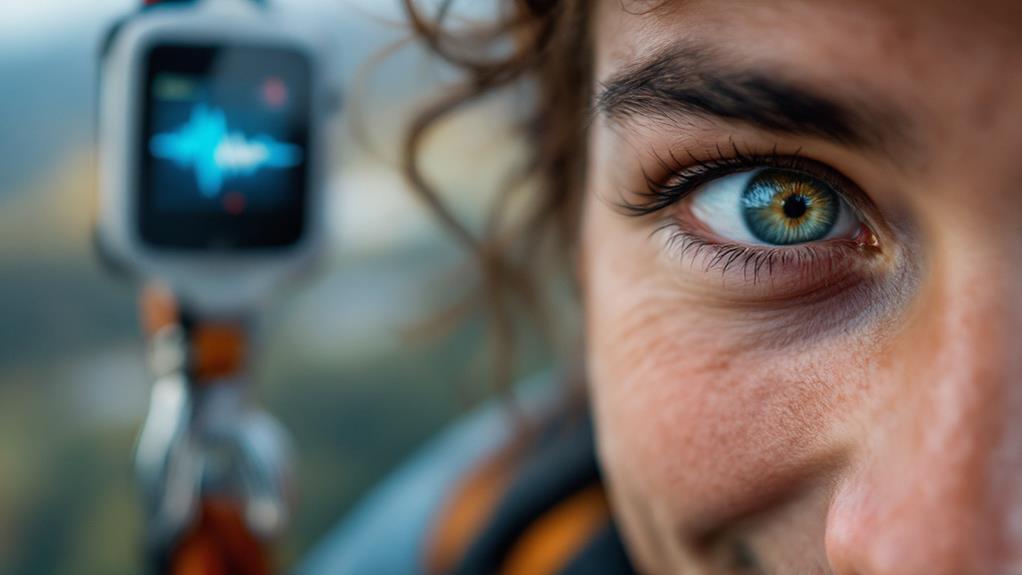
Three key health considerations come into play when bungee jumping. First, your cardiovascular health is crucial. The intense adrenaline rush and rapid changes in blood flow can strain your heart. If you have any heart conditions or high blood pressure, you'll need to consult your doctor before attempting a jump.
Second, your spine and neck must be in good condition. The sudden deceleration at the end of the jump can put significant stress on these areas. If you've had previous back or neck injuries, you might want to reconsider bungee jumping or seek medical advice first.
Lastly, your weight and physical fitness matter. Most bungee operators have weight limits for safety reasons. Being within these limits and having a reasonable level of fitness will help ensure a safer jump experience.
It's also worth noting that certain medical conditions, such as epilepsy, pregnancy, or recent surgeries, may disqualify you from jumping. Always be honest about your health history when filling out the required waivers. Your safety depends on it. If you're unsure about your fitness to jump, don't hesitate to consult a healthcare professional.
World-Famous Bungee Locations
Having covered the health aspects, let's explore some of the most thrilling bungee jumping spots around the globe. You'll find world-class bungee experiences in breathtaking locations that offer unique challenges and unforgettable views.
New Zealand, the birthplace of commercial bungee jumping, boasts several iconic sites. The Nevis Bungy in Queenstown is a heart-stopping 134-meter plunge over a rocky gorge. For a more urban experience, head to Macau Tower in China, where you'll leap from a staggering height of 233 meters.
Europe offers its share of exhilarating jumps, too. The Verzasca Dam in Switzerland, featured in the James Bond film "GoldenEye," provides a 220-meter freefall against a stunning backdrop of mountains and crystal-clear water.
When choosing your bungee destination, consider:
- The height of the jump
- The surrounding scenery
- The reputation and safety record of the operator
Training and Certification
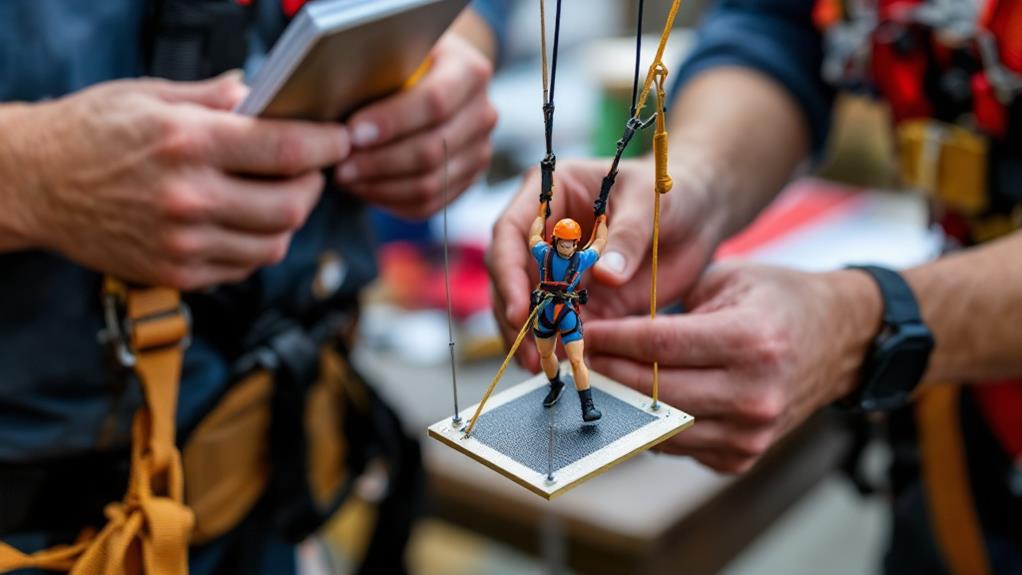
While anyone can experience the thrill of bungee jumping, becoming a certified instructor requires extensive training and dedication. To start your journey, you'll need to complete a comprehensive training program offered by recognized organizations like the North American Bungee Association (NABA) or the International Bungee Federation (IBF).
These programs typically cover safety protocols, equipment knowledge, risk assessment, emergency procedures, and customer service skills. You'll learn about rope dynamics, harness fitting, and platform setup. The training also includes hands-on experience with jumps and rescues.
After completing the initial training, you'll need to log a certain number of supervised jumps and assist experienced instructors. This practical experience is crucial for developing your skills and confidence.
To maintain your certification, you'll need to participate in regular refresher courses and stay updated on industry standards. Many locations also require additional site-specific training to familiarize you with their unique setups and procedures.
Variations of Bungee Jumping
Adrenaline junkies rejoice! Bungee jumping has evolved beyond the classic jump, offering thrilling variations to satisfy your craving for excitement. You'll find diverse options that push the boundaries of this extreme sport, each providing a unique rush.
One popular variation is tandem bungee jumping, where you'll leap with a partner or instructor. This shared experience can be perfect for first-timers or those seeking moral support. Another exhilarating option is the catapult or reverse bungee, which launches you skyward from the ground instead of dropping you from a height.
For the ultimate dare, try these intense variations:
- Water touch bungee: You'll plunge toward a body of water, briefly touching its surface before rebounding
- Night bungee: Experience the thrill in darkness, relying on your other senses
- Helicopter bungee: Jump from a hovering chopper for an unparalleled adrenaline rush
You can also find location-specific variations, such as bridge, crane, or platform jumps. Each offers a distinct perspective and challenge. Whether you're a seasoned jumper or a curious novice, these diverse bungee jumping styles ensure you'll never run out of heart-pounding adventures to try.