Kite Buggying: Racing Buggies Powered by Kites

Picture yourself seated in a robust, bucket-style seat, gripping the handles of a powerful kite, and feeling the exhilaration as the wind propels you across the sandy terrain. Kite buggying isn't just about speed; it's about mastering the art of kite control and precisely maneuvering a three-wheeled buggy.
You'll need to understand the intricacies of steering with your front wheel, using footrests for balance, and managing the power flow from your kite. But how do you achieve the perfect balance between control and speed without compromising stability?
Key Takeaways
Kite buggying involves maneuvering a three-wheeled buggy using kite handling and front wheel control to navigate courses efficiently. High-performance materials like aerospace-grade composites enhance the durability and agility needed for competitive kite buggy racing. Customizable color schemes allow racers to express individuality and improve visibility on the track. Advanced aerodynamic features, such as streamlined frames and adjustable spoilers, reduce drag and increase speed. Essential for a safe and enjoyable experience are safety gear, weather checks, and proper training.
Kite Buggy Equipment
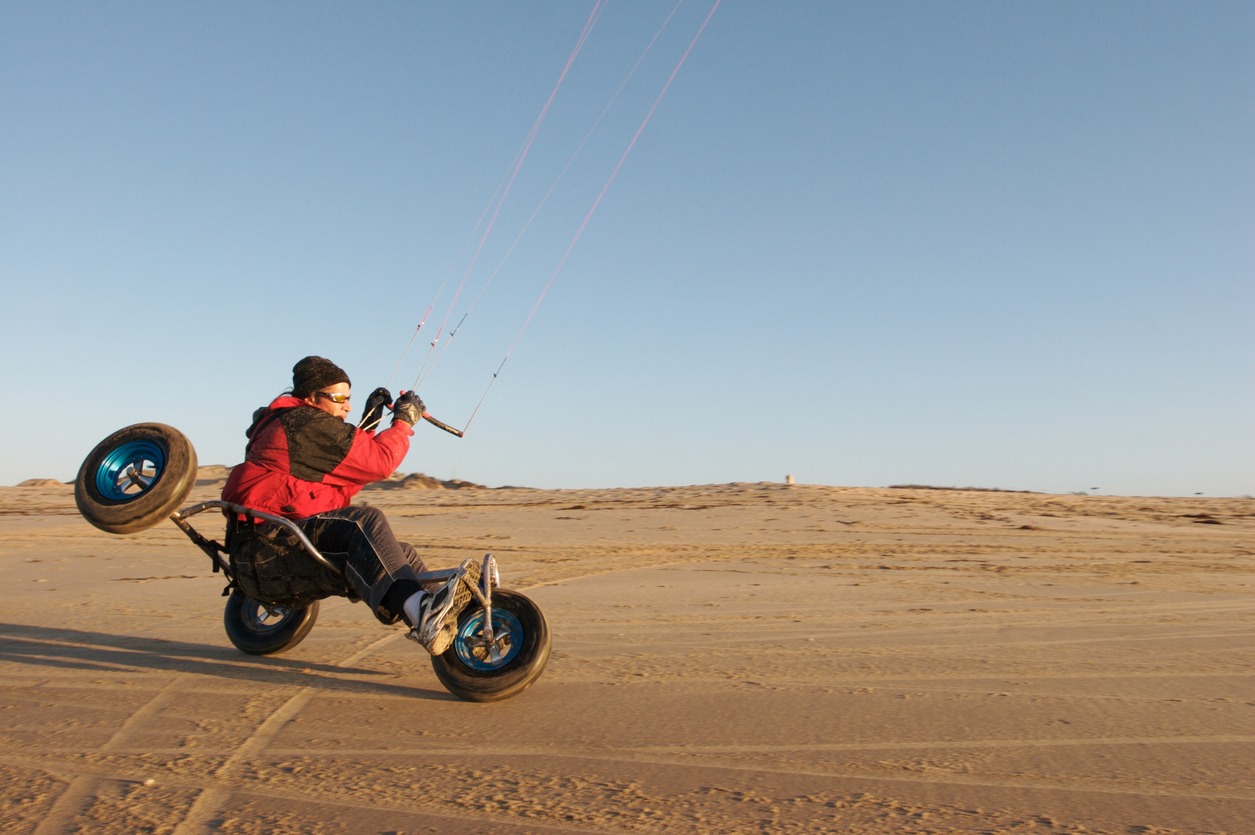
When preparing for kite buggying, you'll need a buggy equipped with a bucket-style seat to ensure stability and comfort during high-speed maneuvers. This seat keeps you securely in place while navigating various terrains. The buggy's frame is crucial, featuring two rear wheels mounted at the ends of a wide rear axle and a single front wheel. This configuration provides the essential balance and control needed for the sport.
Steering the buggy depends primarily on the front wheel, housed in a front fork, allowing for precise handling in response to the traction kite's movements. The front wheel is pivotal for changing direction and avoiding obstacles.
For enhanced stability, kite buggies often include footrests, foot straps, and grip tape to keep you firmly positioned in the buggy, enabling you to manage dynamic forces effectively. Additionally, the buggy's weight significantly influences its handling and responsiveness to the kite's power, with extra weights sometimes added for increased stability during your ride.
Steering Techniques
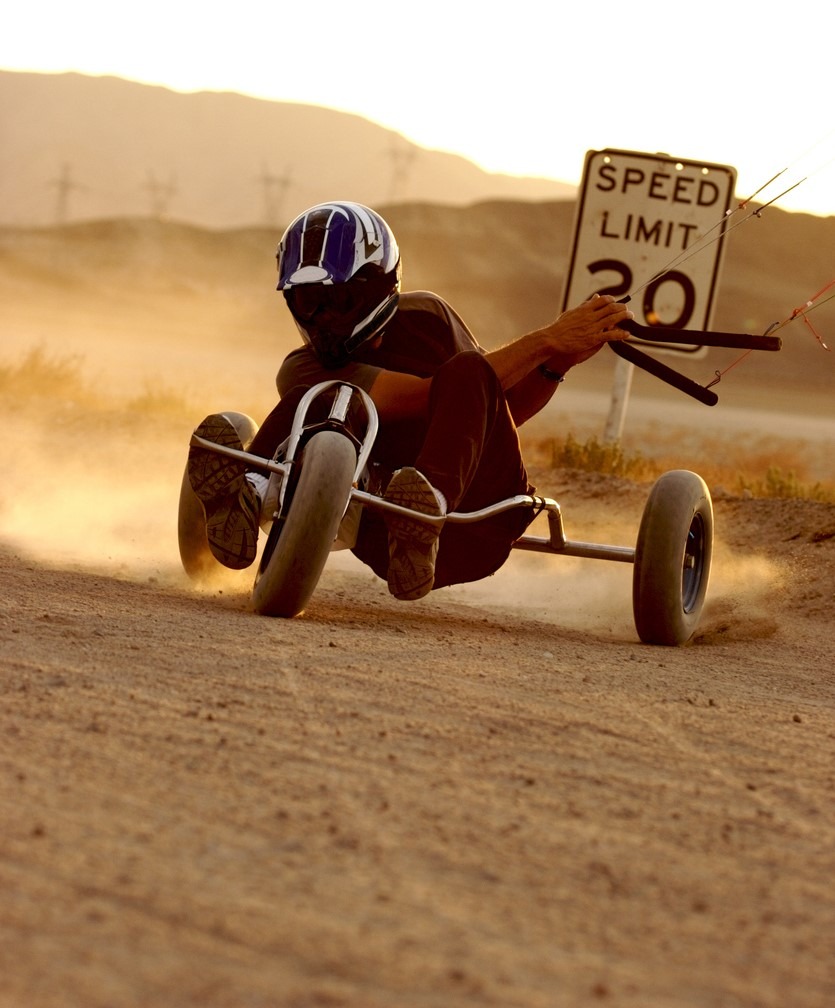
Mastering the art of steering in kite buggying involves synchronizing your kite's movements with your buggy's direction. When you're seated in your kite buggy, your primary control over speed and direction comes from how you handle the kite. To turn left, you actually move the kite slightly to the right to generate the necessary power. This counterintuitive motion helps you pivot and change course smoothly.
Maintaining speed and control requires constant adjustments. By moving the kite up and down, you manage the power flow, ensuring the buggy maintains a stable velocity. It's all about finesse and timing—becoming skilled at this often means practicing these subtle kite adjustments until it becomes second nature.
Steering your buggy itself involves angling slightly across the wind. This positioning optimizes your movement and keeps you on course. Proper coordination between kite flying and buggy steering is essential. If you can align your kite's pull with your buggy's trajectory, you'll experience a smoother, more controlled ride.
Power and Braking
Controlling power and braking in kite buggying relies on your skill in manipulating the traction kite. Your acceleration is determined by how effectively you manage the kite's position and tension. By pulling on the lines and handles, you can direct the kite to catch more wind, increasing your speed. To gain momentum, angle the kite to harness the wind's power efficiently, ensuring a smooth and controlled increase in velocity.
Braking involves reducing the kite's power, as kite buggies lack a dedicated braking system. You must adjust the kite's position to lessen its pull. Steering the kite out of the wind's optimal path or depowering it allows you to decelerate safely. This technique requires practice and finesse, as abrupt movements can cause instability.
Understanding power management is essential for both acceleration and deceleration. Mastery of kite control enables you to navigate varied terrains and conditions effectively, ensuring a thrilling yet safe ride. Your ability to swiftly and accurately adjust the kite's position is crucial for maintaining control over your buggy's speed and stopping power.
Frame and Wheels
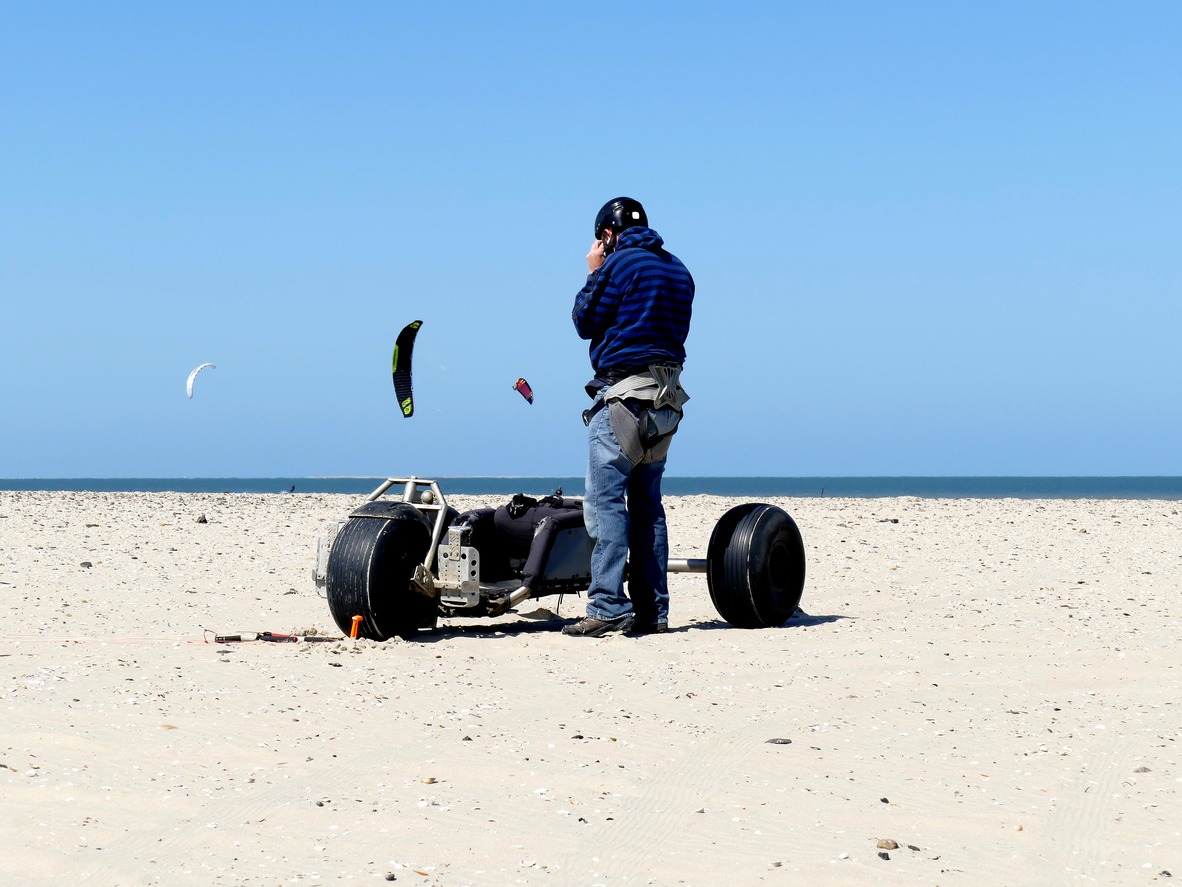
A kite buggy's frame and wheels are critical components that influence its stability, durability, and performance across various terrains. The frame must be robust enough to endure high-speed races while maintaining stability. The geometry of the frame significantly affects handling and performance, especially on diverse surfaces. Ensuring the frame can withstand the forces from both the kite and the terrain is essential for safe and effective buggying.
Selecting the right wheels is equally important. Wide beach wheels are optimal for soft, sandy conditions, providing better flotation and grip. Conversely, smaller race wheels excel on hard-packed surfaces, offering lower rolling resistance and greater speed. This choice of wheels can drastically alter your buggying experience.
The weight of the buggy also plays a vital role in its handling and responsiveness. A lighter buggy is more agile and responsive to the kite's force, while a heavier buggy offers increased stability. Strategically adding weight can enhance control and stability during races, allowing you to adapt to varying conditions efficiently.
Tandem Riding
In tandem kite buggying, mastering dual control and team coordination is essential. Effective communication techniques are crucial for maintaining synchronization and direction. Collaborative efforts between both pilots enhance safety and enjoyment.
Dual Control Dynamics
Mastering dual control dynamics in tandem kite buggying demands excellent communication and coordination between the pilot and the passenger. In a tandem setup, the pilot controls a single kite that propels both buggies, making the pilot's skill crucial for the safety and enjoyment of both riders.
Clear communication is vital. As the pilot, you must provide clear instructions and updates to your passenger, helping them understand what to expect and how to react, especially during turns or sudden changes in speed. The passenger, though mostly passive, should remain attentive and responsive to your cues.
Skilled pilots are necessary for tandem kite buggying. It's not just about controlling the kite; it involves ensuring synchronized movement between both buggies. This requires practice and a deep understanding of kite dynamics.
With effective communication and control, tandem kite buggying can be a thrilling experience for both the pilot and the passenger. Prioritizing safety and synchronized control ensures the ride is both enjoyable and secure.
Team Coordination Techniques
Precise team coordination is essential in tandem kite buggying to ensure safety and peak performance. Effective communication between pilots is key, as one pilot controls the kite for both buggies. Continuous relaying of information about speed, direction changes, and upcoming maneuvers is necessary to maintain harmony and prevent accidents.
Skilled pilots are crucial for tandem riding. Understanding your own buggy and the dynamics of the tandem setup is essential. Both pilots must work seamlessly, knowing when to push for speed and when to hold back, especially during races or freestyle sessions where split-second decisions are critical.
Tandem kite buggying emphasizes teamwork over individual skill. Synchronizing movements with your partner offers a unique, thrilling experience that highlights the sport's collaborative nature. When executed correctly, tandem riding showcases a blend of strategy, communication, and mutual trust, making the ride both exhilarating and safe.
Custom Designs
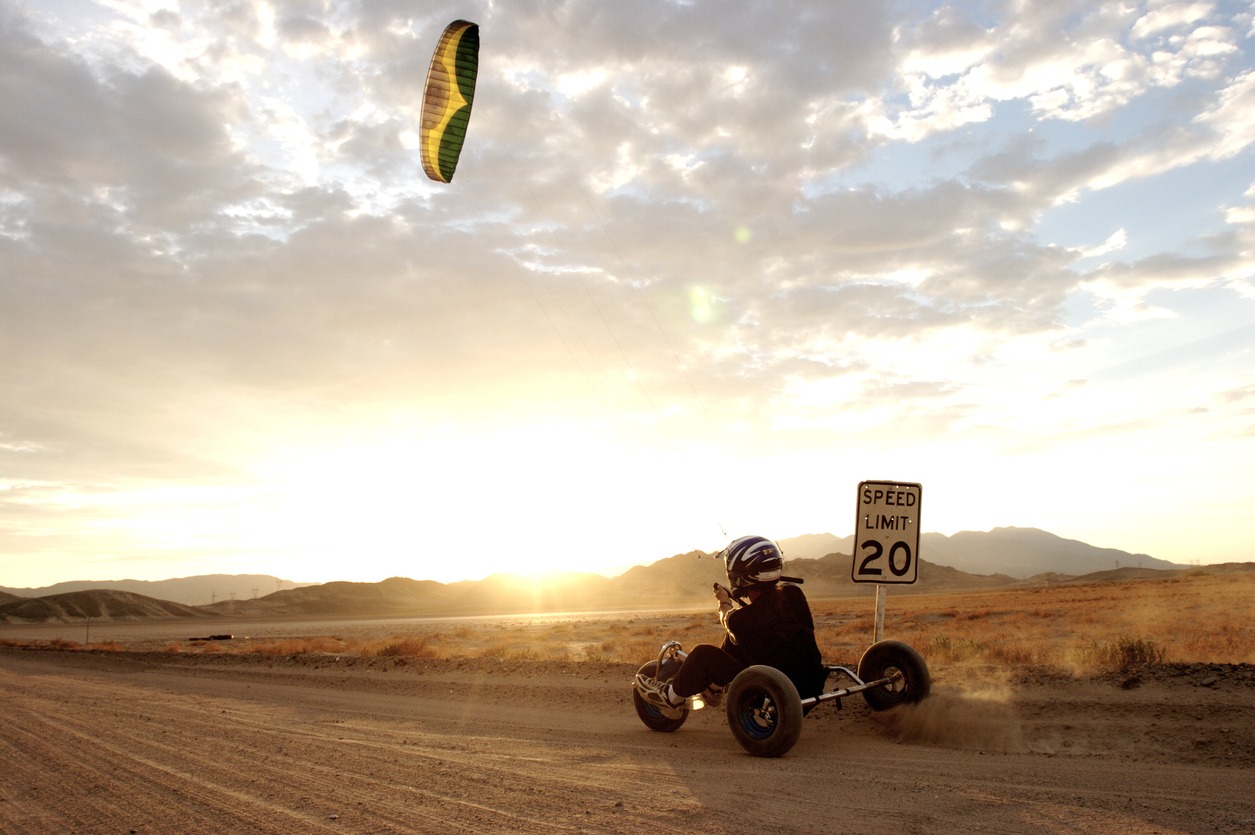
When exploring custom designs for kite buggies, you'll find options like lightweight frame materials that enhance speed and agility. Personalize your buggy with unique color schemes to stand out on the track. Advanced aerodynamic features can further improve performance, making each ride more exhilarating.
Lightweight Frame Materials
Have you ever wondered how using lightweight materials like aluminum and carbon fiber can revolutionize the speed and agility of custom kite buggies? By choosing these materials, you can significantly reduce the total weight of your buggy, allowing for quicker acceleration and improved maneuverability. Aluminum is prized for its lightweight properties and cost-effectiveness, while carbon fiber offers an exceptional strength-to-weight ratio, making it ideal for high-performance racing.
Incorporating titanium components into your custom kite buggy design is another way to enhance performance. Titanium isn't only lightweight but also incredibly strong and corrosion-resistant, enabling you to maintain a sturdy frame without added bulk, giving you a competitive edge.
Innovative materials like composite alloys are also gaining traction in the kite buggying world. These advanced composites combine different elements to achieve an optimal mix of strength, weight, and durability. Utilizing aerospace-grade materials ensures that your buggy can withstand the rigors of racing while remaining agile and responsive.
Personalized Color Schemes
A personalized color scheme transforms your kite buggy into a unique expression of style and identity on the race track. By customizing the frame, seat, and wheels with your preferred designs and patterns, you ensure your buggy stands out in the crowd. Whether you're a solo racer or part of a team, these unique designs can reflect your personality, sponsors, or team colors, making your presence unmistakable.
Choosing the right color combinations not only enhances aesthetics but also improves visibility. Bright, contrasting colors help both you and your buggy be easily seen by spectators and fellow racers, which can boost safety by reducing the chance of collisions.
Your custom design options are nearly limitless. You can incorporate logos, intricate patterns, or bold, solid colors to create a buggy that's truly yours. Personalized color schemes also add a professional touch, making your buggy look polished and ready for competition.
Advanced Aerodynamic Features
Custom kite buggies often incorporate advanced aerodynamic features that significantly enhance stability and speed on the race track. These features are meticulously designed to provide a competitive edge.
Here are three key aerodynamic aspects to consider:
- Specialized Frame Designs: Custom buggies often feature specialized frame designs that enhance stability and speed. These frames are engineered to minimize turbulence and maximize efficiency, ensuring a smooth glide across various terrains.
- Streamlined Components: Aerodynamic body shapes and streamlined components are essential for reducing drag. By optimizing these elements, custom buggies can achieve higher speeds and improved performance. Adjustable components, such as spoilers and diffusers, help fine-tune airflow, offering better control at high speeds.
- Innovative Materials: Utilizing materials like carbon fiber or lightweight alloys can greatly enhance your buggy's strength while reducing its weight. Lighter buggies are easier to maneuver and can accelerate more quickly, providing a significant advantage in races.
Safety Tips
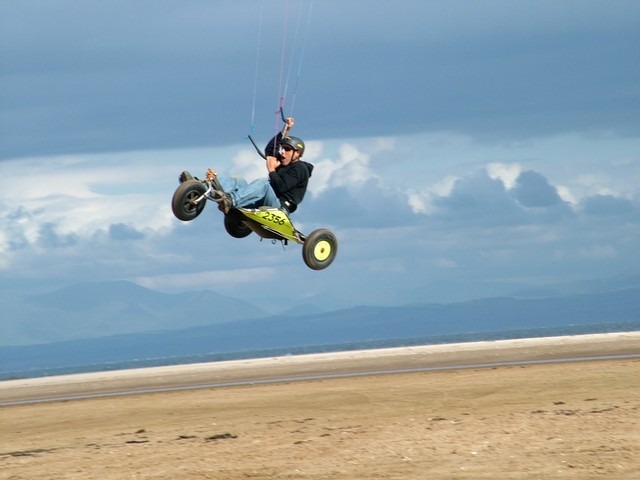
Prioritize safety by wearing protective gear like helmets and padded clothing while kite buggying. This gear can prevent serious injuries from falls or collisions with obstacles. Helmets protect your head, while padded clothing cushions your body, ensuring safer and more enjoyable rides.
Before heading out, check weather conditions and wind strength. Ideal wind speeds for kite buggying are between 10-20 mph; anything outside this range can be hazardous. Strong winds can make your kite uncontrollable, and weak winds mightn't provide enough power for your buggy.
Follow safety guidelines and rules specific to kite buggying. These rules minimize risks and accidents, ensuring a safe experience for everyone. Start with basic training to build your skills, and gradually progress to more advanced maneuvers as you gain confidence.
Stay alert and aware of your surroundings. Keep an eye on other riders and obstacles in your path. Being mindful of your environment helps you react quickly to unexpected situations, maintaining a safe buggying experience for yourself and others. Remember, prioritizing safety means more fun in the long run.
Frequently Asked Questions
What Is Powerkiting?
Powerkiting involves using large kites to propel you on a land-based vehicle, such as a buggy or skateboard. You control the kite to manage your speed and direction. Combining elements of kite flying and land sports, it's an exhilarating activity ideal for thrill-seekers.
How Does a Kite Buggy Work?
To operate a kite buggy, you use the front wheel for steering and manipulate the kite to control speed and direction. By adjusting the kite's position, you can harness wind power to accelerate, brake, and navigate across various terrains effectively.
What Size Kite for Kite Buggy?
For kite buggying, choose a kite size between 3 to 12 square meters. Your weight, wind conditions, and skill level are critical factors. Lighter pilots should opt for smaller kites in strong winds, while heavier pilots will need larger kites in lighter winds.
How Does a Power Kite Work?
A power kite operates by harnessing wind energy to generate lift and pull, which propels the user forward. The user controls the kite using lines and handles, allowing for adjustments in speed and direction. Various designs of power kites offer different performance characteristics to suit specific conditions and user needs.
Conclusion
Having gained a comprehensive understanding of kite buggying—from the essential equipment and steering techniques to power control and custom designs—remember to prioritize safety at all times. Whether you're racing solo or with a partner, use this knowledge to enhance your skills and enjoy the excitement of navigating diverse terrains. Now, it's time to grab your kite, hop in your buggy, and immerse yourself in the exhilarating world of kite buggying. Have fun and ride safely!