How Weather Conditions Affect Gliding
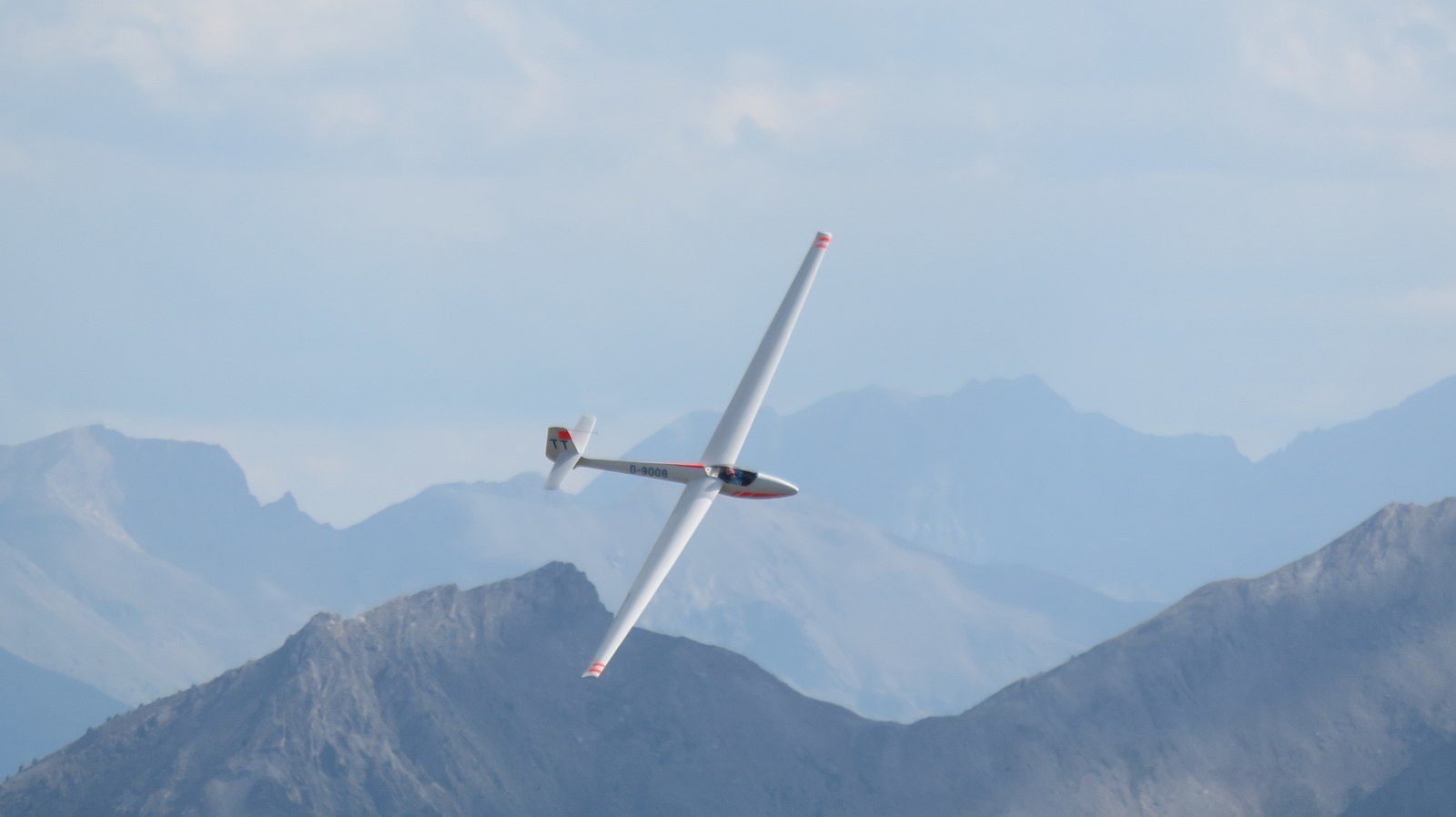
When gliding, weather conditions can significantly impact your experience, either aiding or challenging your flight. Wind direction and speed are crucial for determining lift and flight paths, while turbulence requires quick adjustments to maintain stability.
Cloud cover affects visibility, complicating navigation and increasing the risk of disorientation. Additionally, thermals and air pressure systems are essential for optimizing your flight. Seasonal variations add another layer of complexity. So, how do you navigate these ever-changing elements to ensure a smooth, safe adventure? Let's explore effective strategies and tools that can help.
Wind Direction
Understanding wind direction is vital in gliding. When piloting a glider, knowing the wind direction is essential for creating ridge lift, which helps maintain altitude. Tailwinds allow you to use updrafts along ridges efficiently, enabling altitude gain without relying on thermal currents. These updrafts are generated by the wind flowing up the slope of hills or mountains, providing the necessary lift.
Headwinds, on the other hand, present a challenge. Flying directly into the wind makes maintaining lift and altitude difficult due to increased wind resistance. This requires more frequent adjustments and heightened awareness to avoid losing altitude.
Crosswinds add complexity by creating turbulence, which affects glider stability. This instability demands constant monitoring and quick adjustments to maintain course and ensure safety. Continuous monitoring of wind direction is crucial for making informed decisions, optimizing flight paths, and managing the challenges posed by varying wind conditions.
Wind Speed
Understanding how wind speed impacts gliding is vital for maintaining control and safety during flight. Ideal wind speeds generate updrafts, which are rising columns of air that help you stay aloft longer and glide more efficiently. These updrafts provide the necessary lift to prolong your flight without additional power.
However, strong winds can present challenges, making it difficult to maintain a stable flight path. This issue is particularly pronounced during launch and landing operations, where precise control is crucial. Always consider wind speed to ensure smooth takeoffs and safe landings.
Wind direction is also critical for ridge lift. When wind hits a slope or ridge at the right angle, it creates an upward force that can be used to gain altitude. Understanding both wind speed and direction allows you to position your glider optimally to take full advantage of this natural lift.
Therefore, constantly monitoring wind speed is essential. By staying informed about current wind conditions, you can make better decisions about your flight plan, ensuring safer and more efficient gliding operations.
Turbulence
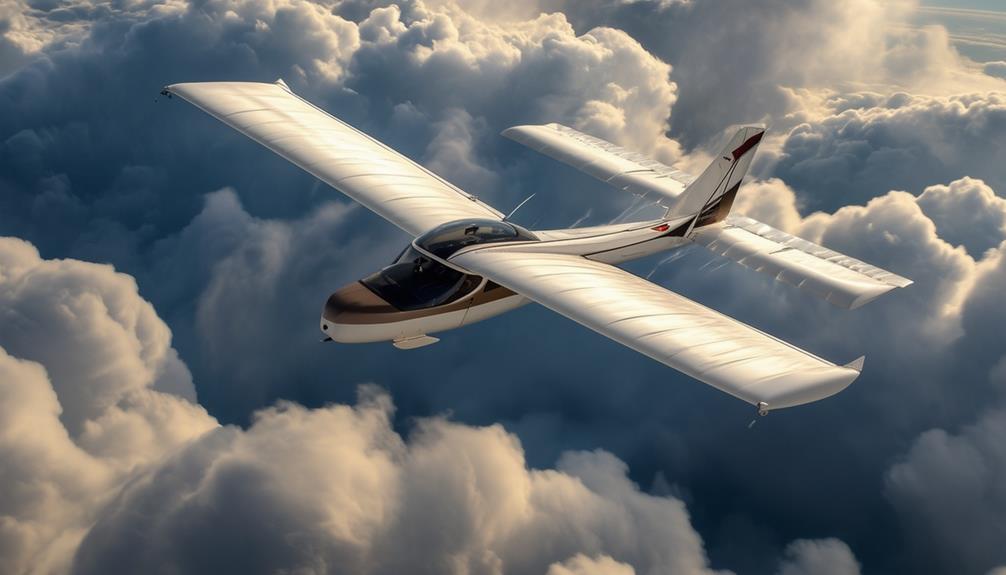
Turbulence, caused by irregular air movements, can make gliding both challenging and uncomfortable. Whether you're a seasoned pilot or a passenger, encountering turbulence can be a jarring experience. This phenomenon often occurs when flying through thermals, experiencing wind shear, or operating near mountains and hills. It's vital for glider pilots to anticipate and respond to these conditions to maintain control and ensure safety.
Here are four key points you should consider about turbulence:
- Thermals: Rising columns of warm air can create turbulence. Pilots need to use these thermals to gain altitude but must be prepared for the bumpy ride.
- Wind Shear: Sudden changes in wind speed and direction can cause significant turbulence. Understanding local weather patterns can help in anticipating these changes.
- Mountain Waves: Flying near mountainous terrain can lead to unpredictable air movements. Be cautious and adjust your flight path as needed.
- Windy Conditions: High winds can exacerbate turbulence. Always assess the weather conditions before takeoff to determine if it's safe to fly.
Experienced pilots often adjust their speed and altitude to navigate turbulent areas effectively. By staying vigilant and adapting to the conditions, you can make your gliding experience smoother and safer.
Cloud Cover
When you're gliding, cloud cover can make spotting thermals and navigating a significant challenge. Safety concerns also arise, as flying in clouds is prohibited in some places, such as Australia. Additionally, clouds can hinder thermal formation, affecting both your altitude and flight duration.
Visibility and Safety Concerns
Cloud cover significantly impacts the safety and visibility for glider pilots. Visibility is crucial for avoiding other aircraft, terrain, and landmarks. In Australia, regulations prohibit glider pilots from flying in clouds to mitigate the associated risks.
Flying in cloudy conditions presents several safety and visibility concerns:
- Reduced Visibility: Thick clouds and fog can obscure vision, making it difficult to spot other gliders, obstacles, and landmarks.
- Limited Launch Heights: Cloud cover can restrict launch heights, affecting the duration and quality of the flight.
- Disorientation: The lack of visual reference points in clouds can lead to spatial disorientation, increasing the risk of accidents.
- Collision Risks: Reduced visibility heightens the chances of mid-air collisions as it becomes harder to see and avoid other aircraft.
Additionally, clouds limit the ability to find thermals, which are essential for staying aloft. Clear skies with cumulus clouds are ideal for marking thermals and ensuring a safer, more enjoyable gliding experience. Prioritizing visibility and safety is key to maximizing the enjoyment and security of your flight.
Thermals and Lift Patterns
Understanding thermals and lift patterns is crucial for glider pilots aiming for prolonged and enjoyable flights. Thermals are columns of rising air created by the uneven heating of the Earth's surface, providing the necessary lift for gliders. Cumulus clouds, which form at the top of these rising air currents, serve as indicators for locating thermals.
Cloud cover significantly impacts gliding by affecting visibility, launch heights, and the availability of thermals. Pilots rely on visual cues to identify thermals, making cumulus clouds essential markers. However, extensive cloud cover can obscure these clouds, complicating the search for lift. Flying into clouds is against safety regulations, as it compromises situational awareness, which is critical for safe gliding.
To optimize flight duration, actively seek out thermals under clear or partly cloudy skies where cumulus clouds are visible. Understanding and leveraging these lift patterns can enhance your gliding experience. The right cloud cover can make a significant difference in finding vital thermals and enjoying a longer, more exciting flight.
Thermals
Understanding thermals is crucial for effective gliding. Thermals emerge when the sun heats the ground, resulting in rising columns of warm air. You can identify their sources by observing specific ground features and cloud patterns. Efficiently locating and utilizing these thermals allows you to gain altitude and significantly extend your flight time.
Formation of Thermals
Thermals, essential for gliding, form as the sun heats the ground, causing air to rise in columns. When the sun's rays warm the earth's surface, different ground materials heat up at varying rates. This uneven heating creates pockets of warm air, which rise as thermals. Understanding this process is crucial for glider pilots to harness these columns of rising air to gain altitude and extend their flight duration.
Here's a breakdown:
- Sun Heats the Ground: The sun's energy is absorbed differently by various surfaces such as fields, roads, and forests, creating warm air pockets.
- Air Rises: As the ground heats, the air above it warms and rises due to its lower density compared to the cooler surrounding air.
- Thermal Columns: The rising warm air forms vertical columns, known as thermals.
- Pilot's Technique: Glider pilots use these thermals by circling within them to stay in the rising air, thus gaining altitude and prolonging their flight.
This process is essential for efficient gliding and can significantly impact flight performance.
Identifying Thermal Sources
Understanding how thermals form is crucial, but the next step is learning to identify their sources in the landscape. Thermals help you gain altitude and stay aloft, making it essential to recognize their origins. Look for areas with dark soil, asphalt, or urban environments, as these surfaces absorb heat efficiently and generate the warm air columns you need. Fields with dark crops or plowed land can also produce strong thermals.
Birds are another reliable indicator of thermal activity. When you see birds circling in the sky, they're likely riding a thermal. Following their lead can help you find these important rising air columns.
Additionally, learn to read the sky for visual cues. Cumulus clouds, which are fluffy and white, form at the tops of thermals. Spotting these clouds can guide you to the thermal's location. The key is to constantly scan the landscape and sky for these telltale signs.
Utilizing Thermals Effectively
Mastering the use of thermals is crucial for prolonged, high-altitude gliding. Thermals—those invisible columns of warm air rising from the ground—are essential for extending and enhancing your flight.
To harness thermals effectively, employ the following techniques and strategies:
- Early Thermal Detection: Quickly identifying thermals is key. Look for indicators such as cumulus clouds, soaring birds, or uneven ground heating.
- Centering in the Thermal: Once inside a thermal, locate its core where the updraft is strongest. Use tight, efficient circles to stay within this zone and maximize altitude gain.
- Monitor Flight Instruments: Observe changes in airspeed and vertical speed indicators to assess the thermal's strength and adjust your circling pattern accordingly.
- Strategic Exit: Knowing when to leave a thermal is as important as entering it. Exiting at the optimal time allows you to move on to the next thermal or reach your intended destination efficiently.
Air Pressure
High-pressure systems often create more stable and favorable conditions for gliding by reducing wind turbulence. When a high-pressure system moves in, the pressure gradients become more relaxed, meaning the difference in pressure over a certain distance is minimal. This results in gentler winds.
In contrast, strong pressure gradients can lead to high winds that break up thermals, making gliding more challenging. Therefore, when you see a high-pressure system settling in, it's a good indicator that the winds will calm down, providing the ideal conditions for soaring.
Planning your flights after a high-pressure system has settled can significantly improve your gliding experience. High winds can disrupt soaring activities, making it crucial to avoid flying on windy days. Understanding how pressure gradients affect wind strength allows you to better predict and choose the best days for gliding.
Essentially, when the pressure gradients are weak, the resulting lower wind speeds create a more predictable and enjoyable flight. Monitoring these weather patterns ensures you make the most of your gliding sessions under optimal conditions.
Seasonal Variations
Understanding air pressure is essential for glider pilots. Recognizing how seasonal variations affect gliding can significantly enhance your flying experience. Each season presents unique weather conditions that can either facilitate or challenge your gliding skills.
- Summer: This is the prime season for experienced glider pilots at Camden. The hot weather generates strong thermals, enabling longer and more adventurous soaring flights. However, be aware of potential turbulence and always prioritize safety.
- Winter: Winter is ideal for beginners, offering more stable air and fewer thermals, making it easier to learn the basics of gliding. The cooler temperatures also result in less turbulence.
- Rain: Regardless of the season, rain can severely impact gliding operations by reducing visibility, adding weight to the glider, and potentially causing instrument malfunctions.
- Wind and Cloud: Strong winds can complicate takeoffs and landings, while low clouds or fog can limit visibility and navigation. Always check the weather conditions before heading out.
Weather Forecast Tools
Utilizing precise weather forecasting tools is crucial for ensuring safe and successful gliding operations. Begin by reviewing the last 72 hours of weather conditions provided by the Bureau of Meteorology at Camden. This historical data helps you understand recent weather trends and anticipate potential changes.
Real-time updates are essential for making informed decisions. Use the weather radar for the Sydney region to get instantaneous information on weather conditions that might affect your flight. This radar data includes details about precipitation, wind patterns, and other critical factors.
Another valuable resource is Atmospheric Sounding data, which you can use to predict convection heights. Knowing these heights allows you to plan your flights more effectively, enabling you to exploit thermal updrafts for longer and more enjoyable glides.
Frequently check reliable weather websites for regular updates. These sites offer detailed weather forecasts that help determine if conditions are suitable for flying on any given day.
Lastly, consult with the chief flying instructor for localized insights. Their experience with local weather patterns can guide you in making well-informed decisions about when and where to glide. Using these tools ensures your gliding experience is both safe and enjoyable.
Safety Precautions
Ensuring safety in gliding is crucial, particularly avoiding cloud flying, which is prohibited in Australia. Glider pilots must prioritize safety by adapting their flight plans based on expert guidance and up-to-date weather analyses. This ensures that every flight is both safe and enjoyable.
To enhance safety, consider these fundamental precautions:
Check Weather Reports:
- Always review detailed weather forecasts before flying. Conditions such as rain, wind, and low clouds can significantly impact visibility and launch heights.
Adjust Flight Plans:
- Be prepared to modify your route or cancel flights if adverse weather conditions are expected. Safety should always come first.
Ensure Passenger Comfort:
- For novice gliders, ensure conditions are optimal for a pleasant experience. Turbulent weather can make flights uncomfortable and even dangerous.
Follow Regulations:
- Strictly adhere to aviation rules, such as avoiding cloud cover, to ensure compliance with safety standards and legal requirements.
Conclusion
In gliding, weather conditions significantly influence your flight experience. Wind direction and speed, turbulence, and cloud cover are crucial factors to consider. Understanding thermals, air pressure, and seasonal variations can help optimize your adventure. Always use accurate weather forecast tools and follow safety precautions to ensure a smooth and enjoyable flight. Adapting to changing sky conditions is essential for mastering the art of gliding.