Flyboarding: Hovering Above Water With Jet Boots
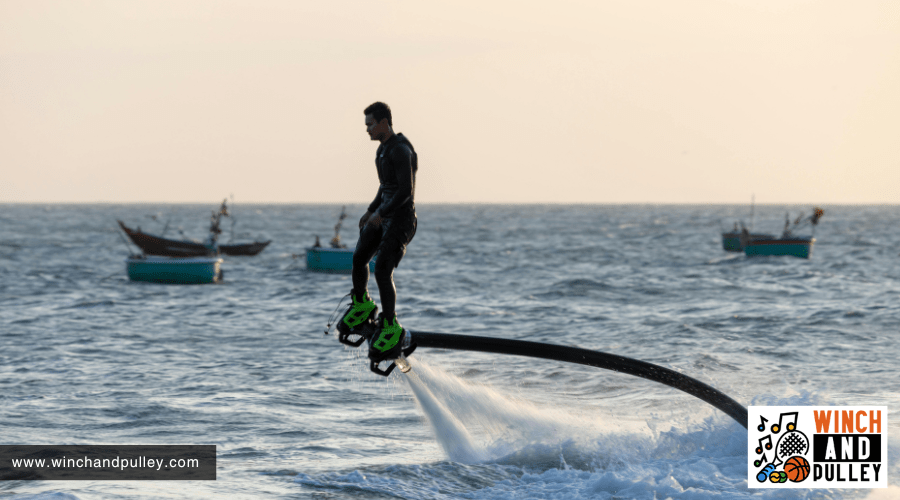
Imagine strapping on a pair of jet boots and effortlessly hovering above the water's surface. Flyboarding, a cutting-edge water sport invented by Franky Zapata in 2011, offers just that experience.
Combining elements of water skiing, snowboarding, and acrobatics, it allows you to perform impressive maneuvers like backflips and spins. However, mastering flyboarding involves more than just strapping on the boots and taking off. Understanding the equipment, safety precautions, and techniques is crucial for a safe and enjoyable experience. Curious about how it all comes together and where you can try it yourself?
Key Takeaways
Flyboarding: Hovering Above Water With Jet Boots
- Flyboarding uses water jet propulsion from jet boots to lift the rider above water.
- Invented by Franky Zapata in 2011, flyboarding combines elements of water skiing, snowboarding, and acrobatics.
- Essential safety gear includes a life jacket and helmet, with proper training recommended.
- Popular locations for flyboarding include Miami Beach, Dubai, and Bali.
- Advanced tricks in flyboarding include backflips, dolphin dives, and synchronized tandem routines.
History of Flyboarding
In 2011, French watercraft rider Franky Zapata invented flyboarding, revolutionizing extreme water sports. Flyboarding quickly gained popularity and is now practiced worldwide, combining elements of water skiing, snowboarding, and acrobatics. The thrill and spectacle draw people in.
Imagine standing on jet boots attached to a personal watercraft and being propelled into the air by powerful jets. Zapata's innovation allows participants to soar above the water, performing impressive aerial maneuvers. The sport's unique blend of adrenaline-pumping action and breathtaking visuals sets it apart from traditional water sports.
As flyboarding gained traction, it started attracting enthusiasts globally. People were amazed at the ability to defy gravity and execute stunts that seemed straight out of a sci-fi movie. This excitement led to the organization of flyboarding competitions and shows, further cementing its place in the world of extreme sports. Now, flyboarding isn't just a sport; it's a global phenomenon that continues to captivate thrill-seekers everywhere.
How Flyboarding Works
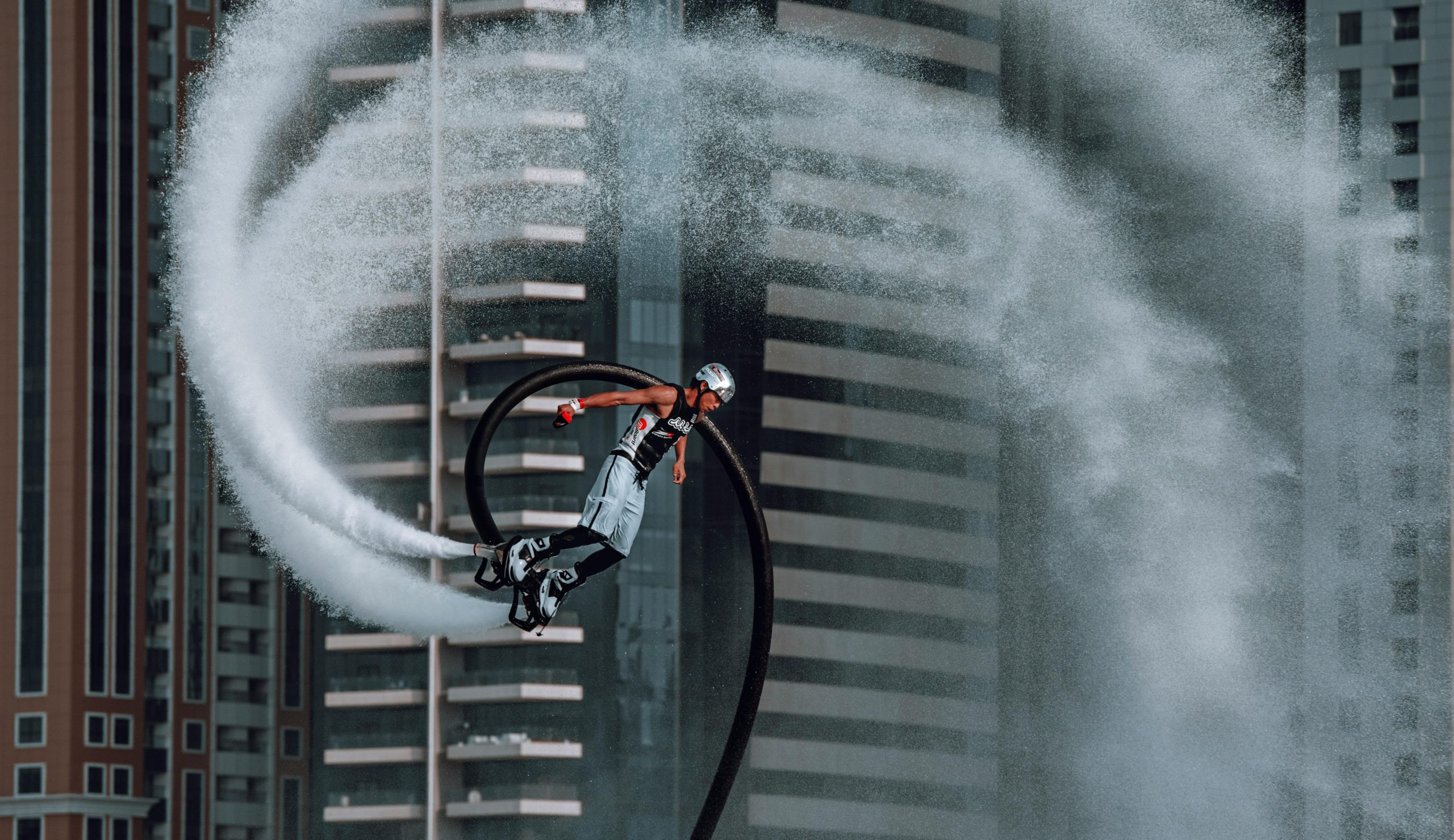
Experience the thrill of flyboarding through the fascinating mechanics of jet propulsion and water pressure dynamics. Understanding the equipment and safety measures is crucial to staying airborne and in control. Discover how these elements combine to create an exhilarating hover above the water.
Jet Propulsion Mechanics
Imagine yourself hovering above the water, propelled by powerful jets that lift you into the air. Flyboarding leverages water jet propulsion to create this exciting experience. A flyboard is connected to a personal watercraft (PWC) via a long hose, which channels water from the PWC to the flyboard, providing the necessary water pressure.
Once the water reaches the flyboard, it's forced through nozzles located on the bottom of the board. These nozzles generate thrust, lifting you off the water's surface. You can control your height and direction by adjusting your body position and regulating the water pressure. Lean forward to move ahead; lean back to descend.
Flyboarding combines the thrills of jet skiing, snowboarding, and acrobatics, making it a dynamic water sport. Mastery involves understanding the mechanics of jet propulsion and how your movements influence the flow and direction of water through the nozzles. With practice, you can effortlessly glide, hover, and perform impressive maneuvers above the water, thanks to the integration of powerful water jets and precise body control.
Water Pressure Dynamics
Understanding the dynamics of water pressure is crucial for grasping how flyboarding propels you into the air. When you're flyboarding, a personal watercraft pumps water through a long hose connected to your board. This water is forced through nozzles, creating powerful jets that lift you above the surface.
Here's a quick breakdown of how water pressure dynamics work in flyboarding:
| Component | Function | Effect |
|---|---|---|
| Personal Watercraft | Pumps water into the hose | Generates the necessary pressure for lift |
| Hose Connection | Channels water from watercraft to board | Directs water flow to the nozzles |
| Nozzles on Board | Expel water to create thrust | Lifts the rider into the air |
Using this setup, you can control your height and direction by adjusting the water flow. Tilting your feet changes the direction of the nozzles, allowing you to maneuver while airborne. Balance and coordination are crucial, as you need to maintain stability while performing tricks and stunts.
Mastering these dynamics transforms a simple watercraft ride into an exhilarating experience. By understanding and leveraging water pressure, you tap into the full potential of flyboarding, combining elements of water sports, acrobatics, and thrill-seeking into one unforgettable adventure.
Safety and Equipment
Ensuring your safety while flyboarding begins with using the correct equipment and adhering to comprehensive training protocols. Essential gear includes a life jacket and helmet to protect against potential falls and impacts.
The primary flyboarding equipment features a board connected to a hose that ejects water downward, lifting you into the air. This setup is designed for ease of use, with intuitive controls for adjusting height, direction, and power.
Proper training is crucial before you start. Certified instructors will teach you how to operate the equipment and navigate safely above the water. They'll also provide supervision to ensure you're applying what you've learned correctly.
Heeding your instructor's advice and following their guidance can significantly reduce the risk of accidents. Although the equipment includes built-in safety features, your awareness and strict adherence to instructions are equally vital.
Flyboarding is an exhilarating experience, but it demands respect for the sport's dynamics and potential hazards. By wearing the appropriate gear and undergoing thorough training, you can ensure a safe and enjoyable flyboarding adventure.
Necessary Equipment
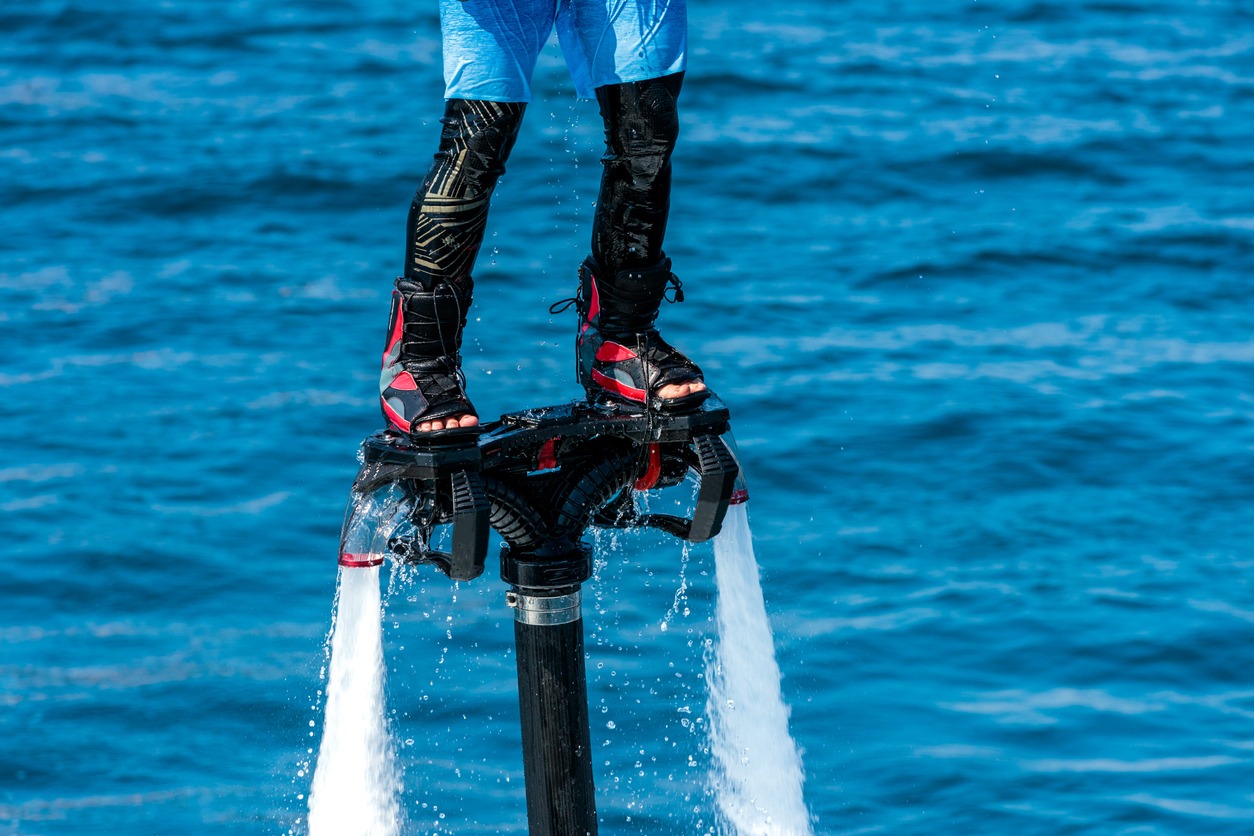
When preparing for flyboarding, you'll need a flyboard with jet boots that provide stability and control for a smooth flight above the water. Make sure to wear essential safety gear, including a helmet, to protect yourself during high-speed maneuvers. Using proper equipment not only enhances your experience but also ensures your safety.
Jet Boots Features
Jet boots, an essential component for flyboarding enthusiasts, are engineered with hydro jets that elevate you above the water's surface. These boots connect to a watercraft, channeling high-pressure water streams to achieve lift-off. You maneuver the jets using a hand-held throttle, enabling dynamic movements and impressive stunts.
For safety and comfort, jet boots incorporate quick-release mechanisms and adjustable straps, ensuring a secure fit and making it easier to concentrate on the thrill of flyboarding. Advanced models feature wireless remote controls and customizable settings, allowing for tailored control over speed and stability.
Constructed from lightweight, durable, and water-resistant materials, jet boots are designed to endure the demanding conditions of flyboarding while providing comfort for extended sessions.
Key features include:
| Feature | Description | Benefit |
|---|---|---|
| Hydro Jets | High-pressure water streams | Facilitates hovering above water |
| Quick-Release Mechanisms | Easy removal in emergencies | Enhances safety |
| Adjustable Straps | Customizable fit | Ensures secure and comfortable wear |
| Advanced Models | Wireless controls and customizable settings | Allows personalized control and stability |
These features ensure that jet boots offer an exhilarating, safe, and customizable flyboarding experience.
Safety Gear Essentials
Safety gear is crucial for flyboarding, ensuring you remain protected and comfortable on the water. First and foremost, always wear a helmet to safeguard your head from potential impacts during falls or collisions. Even seasoned flyboarders can lose balance, making this essential.
A life jacket is indispensable as it ensures flotation and safety, especially if you're a beginner or not a strong swimmer. It allows you to stay afloat effortlessly, enabling you to focus on mastering your moves rather than worrying about staying above water.
Wearing a wetsuit or rash guard is strongly recommended. These provide insulation, keeping you warm in cooler waters, and protect your skin from abrasions. The water pressure and jet propulsion can sometimes cause minor scrapes, so it's better to be prepared.
Protective eyewear, such as goggles, is a wise choice as well. They shield your eyes from water splashes and debris, helping you maintain clear vision and preventing potential eye injuries. Lastly, invest in good grip footwear or specially designed water shoes to improve your stability on the board and prevent slipping, making your flyboarding experience smoother and safer.
Safety Precautions
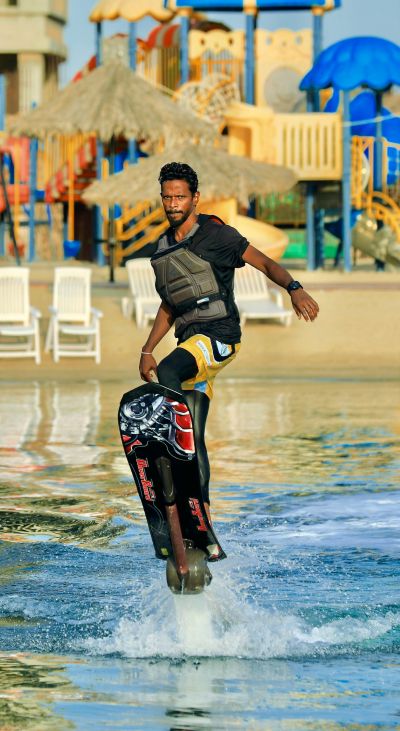
For a safe and enjoyable flyboarding experience, always wear a Coast Guard-approved life jacket. This essential gear ensures your safety in case of falls or accidents. Additionally, receive proper training from certified instructors who'll teach you the correct techniques and help minimize risks.
Be mindful of your surroundings. Avoid flying in crowded or shallow areas to prevent collisions and injuries. Opt for open water with minimal obstacles for a safer experience.
Regularly inspect and maintain your flyboarding equipment. Check the jet boots and board for any signs of wear or damage. Proper maintenance reduces the risk of malfunctions and keeps your gear in optimal condition. Stay hydrated. Flyboarding can be physically demanding, so drink water and take breaks as needed. This prevents fatigue and ensures you remain focused on safety.
Learning to Flyboard
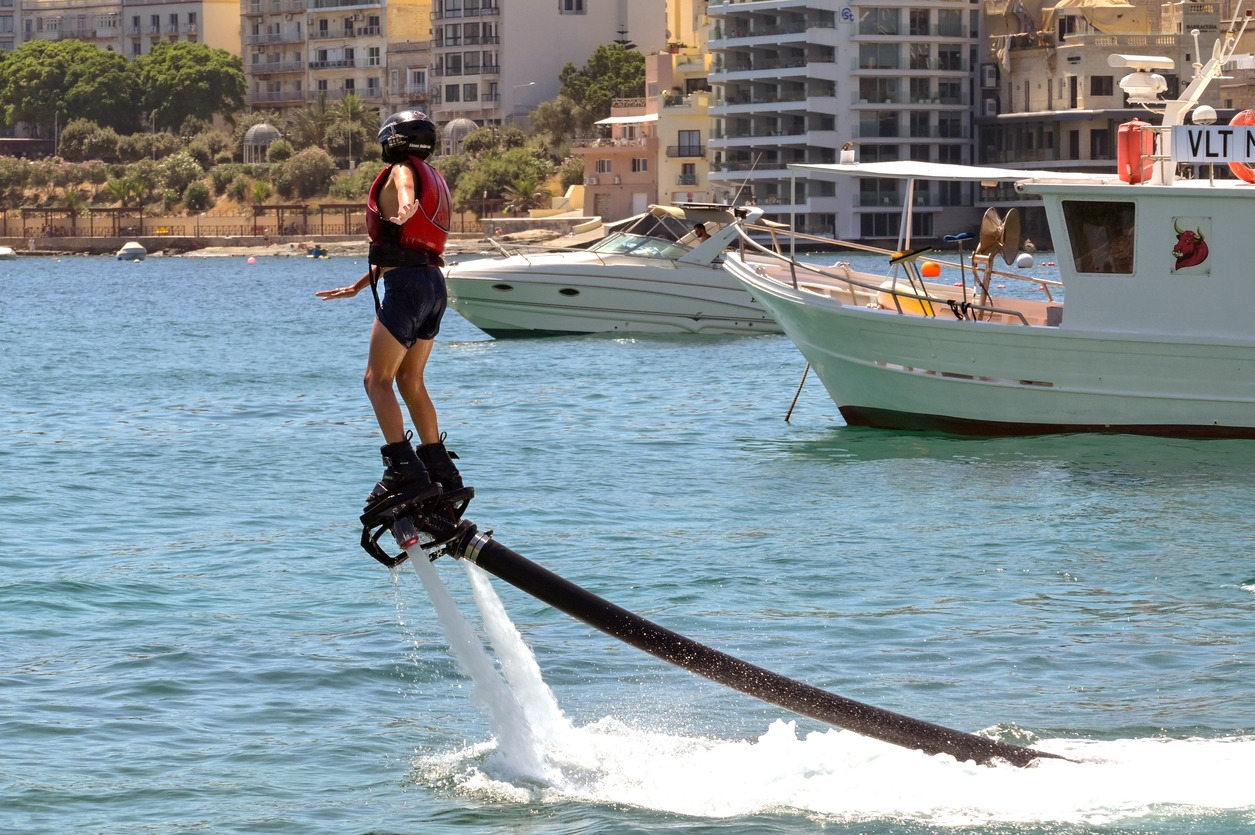
Mastering the basics of flyboarding lays the foundation for an exhilarating experience on the water. Focus on balance, control, and coordination to get started. Begin with simple maneuvers like hovering, turning, and diving. A certified instructor will guide you through these initial steps to ensure you use the equipment safely and effectively.
Here's a quick breakdown to visualize your learning journey:
| Stage | Key Skills | Tips |
|---|---|---|
| Beginner | Hovering, Turning, Diving | Stay relaxed, focus on balance |
| Intermediate | Basic Tricks, Low Jumps, Spins | Practice regularly, listen to your coach |
| Advanced | Flips, High Jumps, Complex Moves | Prioritize safety, gradually push limits |
Safety is paramount, so be well-versed in equipment usage, water safety, and emergency procedures. As you progress, the thrill of performing more complex moves like flips and high jumps will greatly enrich your flyboarding adventures.
Popular Flyboarding Locations
When you're ready to elevate your flyboarding skills, some of the best locations include Miami Beach, Hawaii, and Dubai. Miami Beach offers warm waters and a vibrant atmosphere, ideal for both beginners and experienced enthusiasts. Hawaii provides stunning views and excellent flyboarding conditions in its tropical paradise, making it a must-visit for any water sports fan.
Key West and San Diego are also top choices, with plenty of sunshine and great water conditions. For a more exotic experience, destinations like Bali and the Maldives offer unparalleled scenic beauty, ensuring an unforgettable flyboarding adventure. Dubai, with its modern skyline and luxurious waterfronts, is another prime spot that attracts flyboarding enthusiasts from around the globe.
European cities such as Barcelona, Ibiza, and Nice are perfect for combining flyboarding with rich cultural experiences. For those who prefer freshwater adventures, numerous lakes and rivers worldwide offer unique flyboarding opportunities. Whether you seek the hustle and bustle of a city beach or the tranquility of a tropical island, there's an ideal flyboarding location for you.
Benefits of Flyboarding
Flyboarding not only offers breathtaking locations but also brings numerous physical and mental benefits. Engaging in flyboarding requires you to activate your core muscles to maintain balance and stability, resulting in a full-body workout. This intense activity strengthens your abs, tones your arms, legs, and back, making it an excellent way to stay fit.
Flyboarding provides a thrilling, adrenaline-pumping experience as you soar above the water at high speeds. This rush of excitement can elevate your mood and offer a natural high that's difficult to replicate. As you learn to control your movements both in the air and on the water, your coordination and agility improve.
The blend of jet skiing, wakeboarding, and acrobatics makes flyboarding a unique and challenging activity that keeps you mentally engaged. Moreover, mastering the art of flying above the water can significantly boost your confidence and self-esteem. Overcoming initial fears and progressively mastering new skills brings a sense of achievement.
Each successful flight or trick reinforces your capabilities, making you feel more empowered. Whether you're seeking a new fitness routine or a confidence boost, flyboarding provides benefits that extend beyond the thrill of the experience.
Advanced Tricks and Techniques
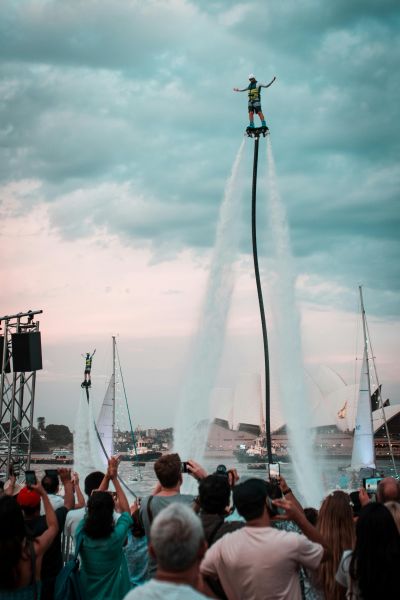
Delving into advanced tricks and techniques, flyboarding transforms from a recreational activity into an exhilarating display of skill and artistry. As you master the basics, you can perform maneuvers like backflips, spins, and dives. These tricks showcase your agility and control over the jet propulsion system, allowing you to achieve maximum height and stability during aerial stunts.
Expert flyboarders often take it a step further by coordinating tandem routines. Imagine two riders moving in perfect sync, executing intricate moves that seem almost choreographed. Additionally, hydroflight professionals use specialized equipment and rigorous training to perform complex maneuvers such as dolphin dives and corkscrews.
Flyboarding competitions add another layer of excitement, featuring categories for freestyle tricks, height jumps, and precision maneuvers. These events highlight the diverse skill set required to excel in the sport.
- Backflips and spins: Showcase agility and control.
- Tandem routines: Synchronize with another rider for intricate displays.
- Specialized maneuvers: Dolphin dives and corkscrews enhance your performance.
- Competitions: Test your skills in freestyle, height jumps, and precision categories.
Frequently Asked Questions
What Is the Difference Between Flyboard and Jetpack?
The difference between a flyboard and a jetpack lies in their operation and design. A flyboard straps to your feet and uses water pressure to propel you, while a jetpack is worn on your back and uses gas or liquid jets for propulsion.
What Are the Water Jet Shoes Called?
The water jet shoes you are referring to are called 'Flyboards.' These innovative devices use powerful water nozzles to lift you above the water, allowing for an exhilarating experience of flight and aerial maneuvers.
What Is a Water Jetpack?
A water jetpack is a recreational device that uses powerful water propulsion to lift you above the water's surface. By adjusting the controls, you can manage your height and direction, creating an exhilarating experience of flying over the water.
How Do You Control Water on a Flyboard?
You control the water on a flyboard by adjusting the throttle on the connected watercraft, such as a jet ski. Increasing the throttle boosts water flow, providing lift, while decreasing it reduces flow, causing you to descend. Your body positioning also plays a crucial role in guiding direction and stability.
Conclusion
Having explored the excitement and thrill that flyboarding offers, it's clear that with the right equipment, proper safety measures, and a bit of practice, you can be soaring above the water in no time.
Whether your goal is to master advanced tricks or simply to relish the sensation of hovering, flyboarding promises an unforgettable experience. So, why wait? Dive into this exhilarating sport and discover firsthand the incredible feeling of flying above the water with jet boots!