Dirt Surfing: Surfing on Land With Off-Road Boards
Imagine the thrill of surfing without the need for waves or water—welcome to dirt surfing. This dynamic sport allows you to carve through diverse terrains using off-road boards such as mountainboards or kite landboards. Pneumatic tires offer the stability and control needed for tackling rugged landscapes.
Safety gear, including helmets and pads, is essential. Whether you're an experienced board rider or a curious beginner, dirt surfing provides a new way to explore landscapes and challenge your skills. But what exactly do you need to get started and excel in this sport?
Key Takeaways
Dirt surfing, a blend of surfing and off-road boarding, offers a unique land-based adventure. Riders use durable off-road boards, such as mountainboards or kite landboards, equipped with pneumatic tires. Safety gear, including helmets and pads, is crucial for preventing injuries and ensuring a secure experience. Key techniques include mastering carving, pumping, and balance to navigate various terrains effectively. Competitions and events, like BoarderX races, feature thrilling races and advanced tricks, showcasing the sport's exciting nature.
History of Dirt Surfing
Dirt surfing emerged in the 1990s as an exhilarating land-based alternative to traditional surfing and snowboarding. Conceived by innovators eager to bring the excitement of board sports to diverse terrains, dirt surfing rapidly attracted thrill-seekers. Its origins are closely linked to mountainboarding and kite landboarding, which laid the foundational techniques and equipment for the sport.
Picture yourself carving down a hillside, feeling the wind rush and the thrill of navigating rugged surfaces like dirt, grass, and gravel. Dirt surfing blends the exhilarating elements of surfing with the ruggedness of off-road boarding, creating a unique experience that stands out in the realm of extreme sports. This innovative approach allowed enthusiasts to experience the sensation of surfing without the need for water or snow.
As the sport evolved, it garnered a dedicated following among extreme sports enthusiasts. These pioneers were drawn to dirt surfing for its ability to provide an adrenaline-pumping adventure in natural outdoor settings. The sport's growing popularity is a testament to its unique appeal, offering a new and exciting way to enjoy the thrills of surfing on land.
Equipment Essentials
To fully enjoy dirt surfing, you'll need the right off-road board and protective gear to navigate rugged terrains safely. Opt for a sturdy off-road board, such as a mountainboard or a kite land board, equipped with pneumatic tires for essential traction and control across various terrains.
Safety should be your top priority, so gear up with a helmet, knee pads, and elbow pads. These protective items are crucial for shielding you from potential injuries, allowing you to dirt surf longer and with greater peace of mind. Choose gear that offers a balance of comfort, durability, and protection.
Off-road boards designed for dirt surfing come with features tailored to rough conditions. Shock absorption systems and durable construction ensure these boards are resilient and reliable on unpredictable surfaces.
Customizing your board can further enhance your experience. Consider adding bindings or foot straps for improved stability and control, and adjustable trucks to fine-tune the board's responsiveness to match your riding style.
Choosing the Right Board
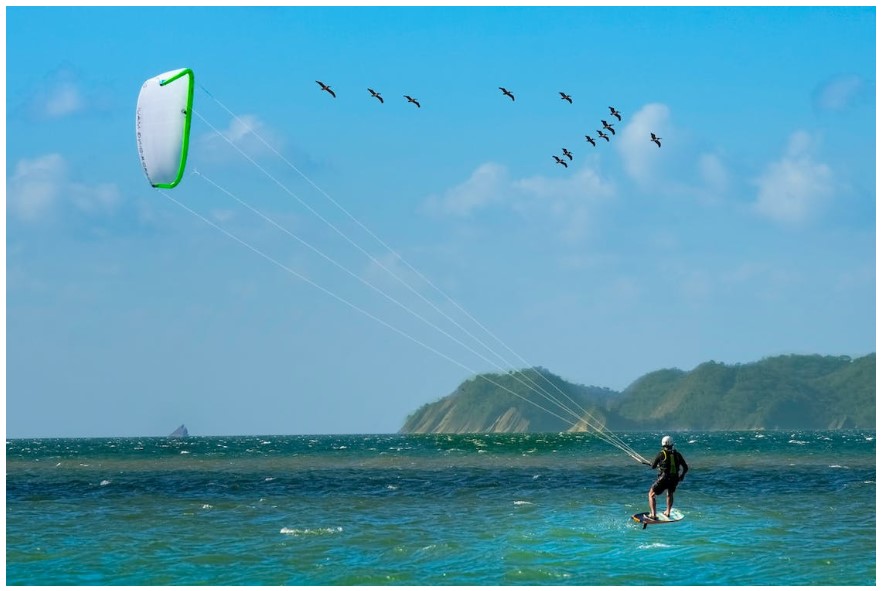
Selecting the right off-road board is crucial for maximizing your dirt surfing experience and ensuring you can confidently tackle any terrain. Start by considering the terrain you'll be riding on. Mountainboards are ideal for downhill trails and rough landscapes, while kite landboards are best suited for flat, windy areas. If you prefer a more skateboard-like feel, off-road skateboards are designed for smoother dirt paths.
Durable construction is essential. Look for boards made with sturdy materials, pneumatic tires for better shock absorption, and adjustable bindings to keep your feet secure. Weight capacity is another critical factor. Ensure the board can support your weight and matches your skill level. Beginners should opt for boards designed for novice riders, while advanced riders can choose more specialized models.
Wheel size and truck configuration significantly impact your ride's stability and maneuverability. Larger wheels offer better stability on uneven terrain, while smaller wheels provide more agility for tricks.
Lastly, consider the board's length, width, and flex. A longer and wider board provides more stability, whereas a shorter board with more flex offers better control and performance on varied landscapes.
Basic Techniques
Mastering fundamental techniques is essential for anyone aiming to maximize their dirt surfing experiences. The first technique to learn is carving, which involves using your body weight to steer the board smoothly through turns. By leaning in the direction you want to go and shifting your weight between your heels and toes, you can achieve fluid and controlled movements.
Next, familiarize yourself with pumping, a technique crucial for maintaining speed without losing momentum. By bending your knees and pushing down on the board while leaning forward, you can generate speed even on flat terrain. This skill is particularly useful when navigating varied landscapes.
Balance is the cornerstone of dirt surfing. Although off-road boards are designed for stability, practicing balance on rough terrain is still necessary. Begin by riding on smoother surfaces and gradually progress to more challenging areas as your confidence increases.
Advanced Tricks
Elevate your dirt surfing experience by mastering advanced tricks such as grabs, spins, and flips on off-road boards. These maneuvers aren't just for show; they push your boundaries and reveal the full potential of your board. Picture yourself executing a 360 spin or a stylish mid-air grab. Each trick demands practice, balance, and control, especially on diverse terrains that challenge your abilities.
Mastering these tricks can be an exhilarating journey. Imagine performing a perfect board slide down a rugged slope or landing an aerial flip that leaves spectators in awe. Every successful trick boosts your confidence and adds an extra layer of excitement to your dirt surfing adventures.
Here's a quick look at some advanced tricks to inspire you:
| Trick | Description |
|---|---|
| 360 Spin | Rotating the board a full circle mid-air |
| Board Grab | Grabbing the board while airborne |
| Board Slide | Sliding the board along a surface or rail |
| Aerial Flip | Flipping the board while airborne |
Take on these challenges, and you'll soon discover that the thrill of dirt surfing reaches new heights with every trick you master.
Safety Tips
When dirt surfing, always wear essential protective gear such as helmets, knee pads, and elbow pads to ensure safety. Regularly inspect your board for any signs of wear and tear to prevent accidents. Remain vigilant of your surroundings and select suitable trails for a safe experience.
Essential Protective Gear
Why compromise on essential protective gear when dirt surfing can be unpredictable and dangerous? Always wear a properly fitted helmet to protect against head injuries. A helmet is your primary line of defense, absorbing impact and potentially saving your life. Knee and elbow pads are also crucial. They cushion falls and reduce the risk of abrasions and fractures, ensuring you can get back up and continue riding without serious injury.
Wrist guards should never be overlooked. They provide essential support and protection for your wrists, which are particularly vulnerable when landing hard tricks or falls. By wearing wrist guards, you significantly reduce the risk of sprains and fractures.
Don't forget about your footwear. Closed-toe shoes with good traction are essential for maintaining grip on the board and preventing slips or falls on uneven terrain. Proper shoes keep your feet safe and improve your overall stability, giving you better control over your board.
Trail Awareness
After gearing up with all the necessary protective equipment, it's crucial to remain vigilant about trail conditions and surroundings to ensure a safe dirt surfing experience. Firstly, always be on the lookout for obstacles like rocks, roots, and uneven terrain, as these can cause sudden falls or crashes if not navigated carefully.
Stick to designated dirt surfing trails. These paths are specifically designed for your activity and help minimize the risk of accidents. Venturing off-trail can lead to unpredictable terrain and potential injuries. Additionally, staying on marked trails helps protect the environment and prevent disturbances to wildlife.
Another essential tip is to check the trail's difficulty level before you start. Ensure it matches your skill level and experience. Tackling a trail that's too advanced can be hazardous and significantly increase the risk of accidents.
Popular Riding Locations
Dirt surfing offers a variety of thrilling riding locations, from sandy beaches to mountain trails. Imagine carving through dunes and feeling the grit beneath your wheels on a coastal beach, blending surf and turf in a unique experience suitable for both beginners and seasoned riders.
Mountain trails elevate dirt surfing with rugged terrains and steep inclines that test your skills and endurance. Off-road parks, designed specifically for dirt surfing, feature gravel paths and dirt tracks catering to different skill levels, making them perfect for practice and technique improvement.
Desert landscapes and rocky hills provide ideal settings for those who crave the expansive, rough terrain. Your off-road board can handle these surfaces, allowing for limitless exploration. Urban environments, including skate parks and empty parking lots, offer controlled settings for practicing tricks and honing skills. Dirt surfing is a global sport, with each location offering unique challenges and thrills, making it a versatile and exhilarating activity.
Competitions and Events
Immerse yourself in the adrenaline-pumping world of dirt surfing competitions, where riders showcase their skills in thrilling BoarderX races and freestyle trick contests. These events take place on challenging terrains, pushing participants to their limits. The Dirt Surfing World Championships, one of the most prestigious events, attracts top riders globally, making it a must-watch spectacle.
Competitions are designed to cater to everyone, with categories for different experience levels and stages of life. Whether you're a seasoned pro or a beginner, there's a spot for you to shine. The excitement isn't just for participants; spectators get to witness breathtaking races and jaw-dropping tricks, making these events a crowd favorite.
Here's a quick look at some key aspects:
| Event Type | Highlights |
|---|---|
| BoarderX Races | High-speed races on off-road tracks |
| Freestyle Contests | Riders perform impressive tricks |
| World Championships | Top riders from around the globe compete |
These competitions are more than just races; they're a celebration of skill, courage, and community. Whether you're riding or watching, dirt surfing events promise an unforgettable experience filled with excitement and camaraderie.
Community and Culture
The dirt surfing community is a vibrant, close-knit group that thrives on shared adventures and mutual support. Camaraderie is at the heart of this sport, with enthusiasts always eager to help each other develop new skills and push the boundaries of what's possible on land-based boards. It's not just about the thrill; it's about growing together and celebrating each other's successes.
Events, competitions, and meetups are regular highlights for dirt surfers. These gatherings aren't only about showcasing skills but also about fostering a sense of belonging and encouraging creativity and innovation. Riders from diverse backgrounds come together, united by their love for outdoor exploration and the adrenaline rush that dirt surfing provides.
Support and encouragement are essential in this community. Whether you're a seasoned pro or a newcomer, the dirt surfing culture is welcoming and inclusive. Members are always ready to share tips, offer guidance, and cheer each other on. This collective spirit has been instrumental in propelling dirt surfing into a popular boardsport activity, continuously attracting new enthusiasts eager to join the excitement.
Frequently Asked Questions
How to Train for Surfing on Land?
To train for surfing on land, focus on balance and agility exercises, strengthen your legs and core, and refine your carving techniques. Incorporate cross-training activities like skateboarding. Seek advice from experienced surfers or coaches for expert guidance.
How Does a Surfer Steer a Surfboard?
A surfer steers a surfboard by shifting their weight, leaning towards or away from the wave, and applying pressure with their feet on the rails. Arms assist with balance and direction. Mastery requires practice.
Conclusion
You've got the basics of dirt surfing down. This exhilarating sport combines the thrill of surfing with the rugged terrain of off-road boarding. From choosing the right gear to mastering advanced techniques, you're ready to dive into this exciting adventure. Always prioritize safety and engage with the vibrant community to share experiences and tips. So, grab your board, find your favorite spot, and let the adventure begin! Happy dirt surfing!